Utilities and rural property questions to answer before financing
Water, septic, wells, access, power, solar agreements and outbuildings can shape both due diligence and financing.
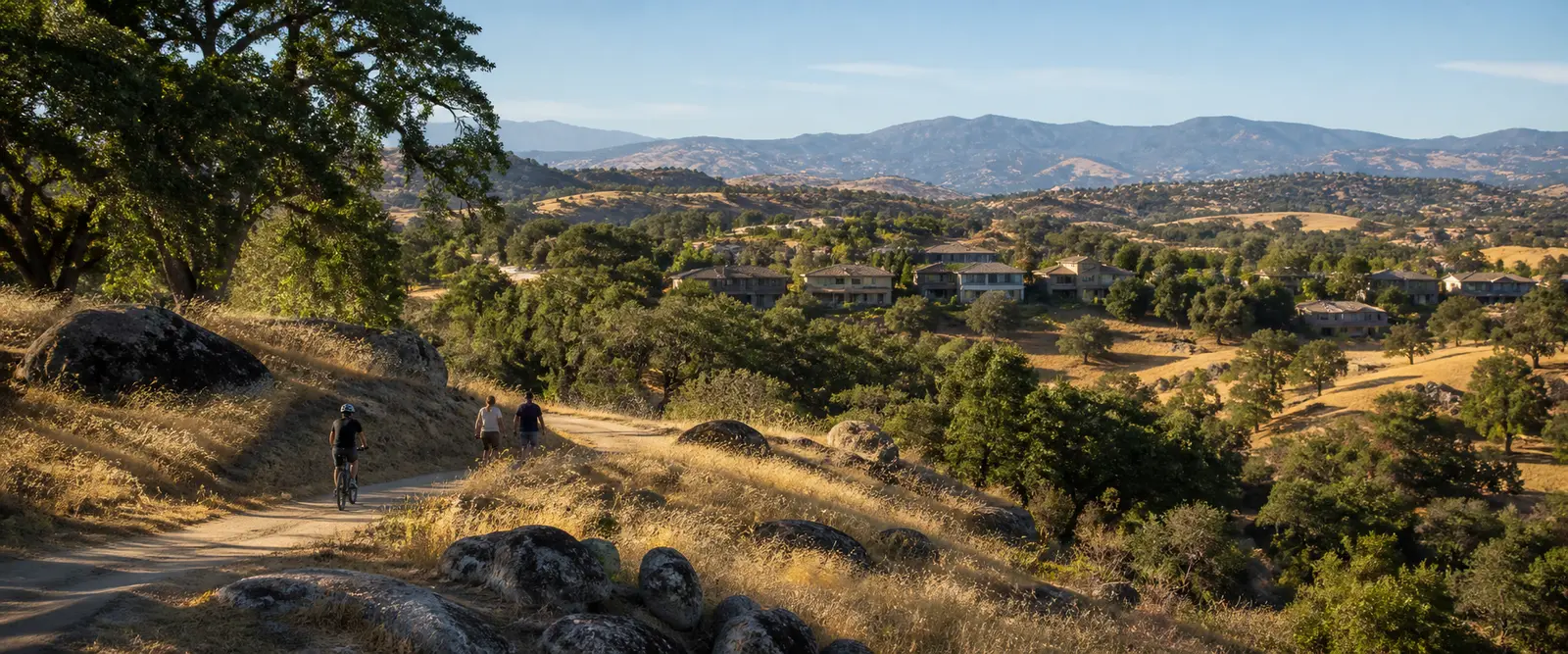
Rural property begins with systems
A home outside a typical subdivision may rely on a well, septic system, propane, private road, easement, generator, solar agreement, or nonstandard outbuildings. Each system can affect due diligence, ongoing cost, and financing documentation.
Create an inventory before assuming that a feature is acceptable or unacceptable. The property-specific evidence determines the next question.
Water and wastewater deserve separate proof
Well capacity, water quality, shared-well agreements, septic location, permits, inspections, and maintenance history can matter. Requirements vary with the property, jurisdiction, program, and lender.
Real estate and inspection professionals gather evidence. The lender explains loan requirements. Local authorities address permits and public records.
Access must work legally as well as physically
A road that can be driven is not the whole access analysis. Ownership, easements, maintenance agreements, emergency access, and seasonal conditions may matter.
Title, legal, appraisal, insurance, and lending questions should be raised early enough that the buyer can evaluate them before deadlines compress the decision.
Budget for ownership, not just acquisition
Rural systems can offer independence and space while requiring maintenance, replacement planning, fuel, testing, vegetation management, or specialized contractors.
A responsible mortgage plan leaves room for those realities. The best property is not simply the one that can close. It is the one the household can understand and sustain.
Build a property evidence file
Save the property address and jurisdiction, the public records consulted, the retrieval date, open questions, and the professional responsible for each answer. Keep proposals separate from approvals and estimates separate from verified costs. Local information changes, and the record should make it possible to see what was known when the decision was made.
The useful file is not a pile of links. It connects each source to a question about affordability, timing, access, insurance, condition, future plans, or the household's intended use of the property.
Observed facts versus local interpretation
Official records establish jurisdiction, published plans and public requirements. The effect on a particular property is an interpretation that needs property specific due diligence. Review the cited local authority.
Continue the local research
What is the first useful step when researching utilities and rural property questions to answer before financing?
Identify every utility and access system, gather available permits and reports, and ask the lender and relevant inspectors which documents are needed.
Choose your next useful step
Keep learning, bring us a question, or move forward when you are ready.