Jump to a section
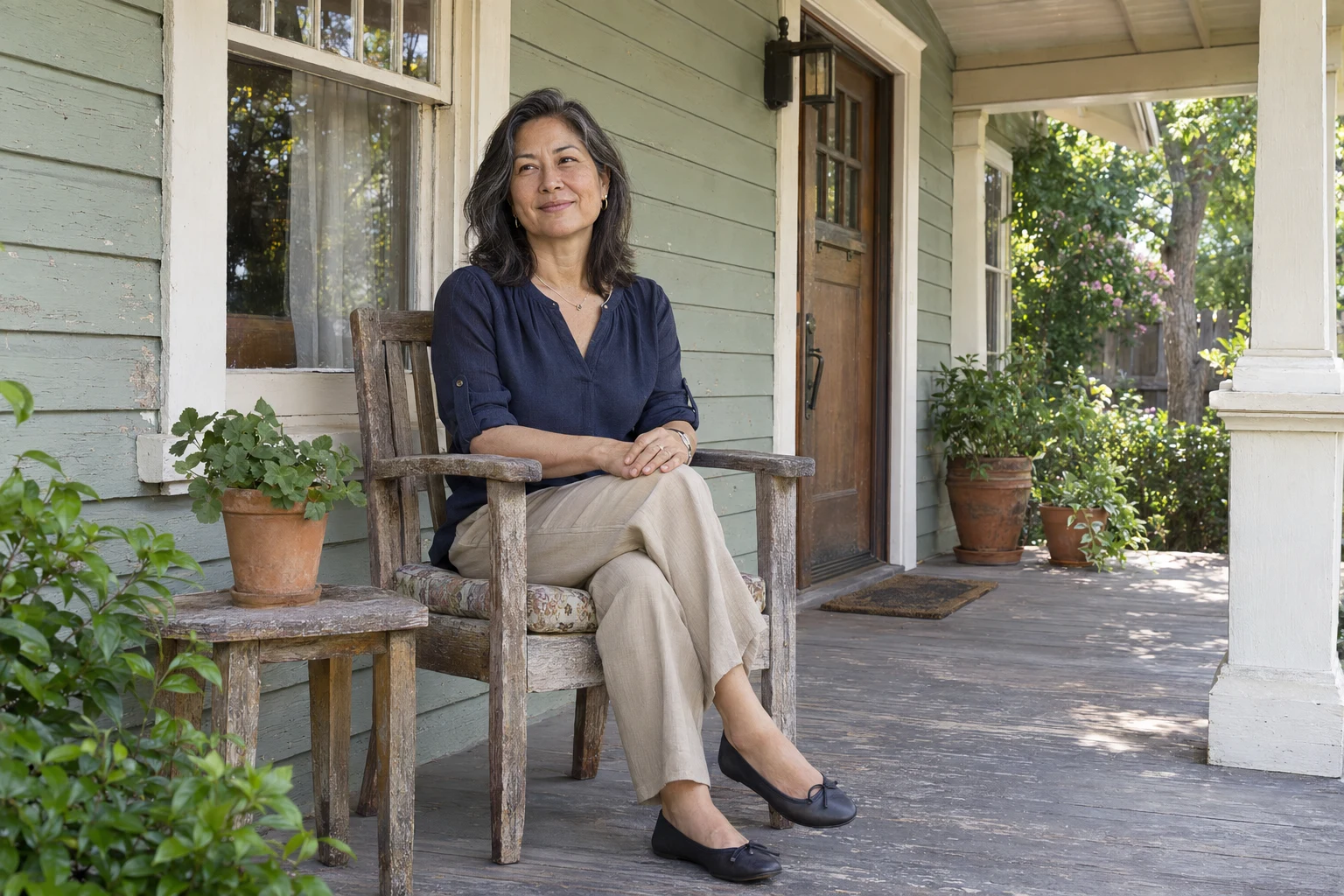
After her mother passed away, Jessica wanted to keep the family home in Roseville. It was the house where she had grown up, a place filled with memories she shared with her siblings. Keeping it was a way to continue her mother’s legacy.
But the decision came with two responsibilities: the home needed work, and the trust required her to share its equity with her siblings.
To keep the house, Jessica needed a plan that made room for both.
Keeping the home while sharing its value
The memories belonged to all of them. Under the trust’s terms, her siblings were also entitled to a share of the home’s equity. Jessica’s wish to keep the property had to work alongside that obligation.
That created a practical challenge. The value tied up in the home needed to become money available for the family distribution. At the same time, Jessica needed funds to start addressing the house’s condition.
A loan that covered the distribution alone would leave the repairs to be funded separately. Jessica needed financing that could support both needs, with a payment she could afford to carry afterward.
A payment she could plan around
Jessica chose a fixed-rate second mortgage.
The consistent payment gave her something concrete to plan around. Keeping a house that needed work would mean taking on its care as well as the loan. The monthly payment had to fit the life she would be living after the inheritance was settled.
With the financing in place, Jessica was able to fund the required family distribution and keep money available to begin improving the home.
The arrangement gave her a way to meet the trust’s requirement without giving up the home. Just as importantly, the plan included money for the house itself.
Caring for what her mother left behind
The work on the house is the next part of the story. Jessica has funds available to begin repairs and improvements, bringing new life to the home she grew up in.
For someone facing a similar inheritance, that is the useful question in Jessica’s story: what would it take to keep the home and care for it after the family’s financial obligations are met? The answer needs to account for the condition of the house and the payment the person keeping it can carry.
For her, continuing her mother’s legacy includes caring for the home itself. The repairs and improvements are part of that commitment, alongside the memories that made her want to keep it in the first place.
The house her mother left behind remains part of the family’s story. Jessica now has a way to look after its future.
Jessica’s story is shared as recounted by Nick Cunningham. Individual experiences and financing terms vary.