
Rates & Economy
Fed week without the guessing game: four mortgage-rate signals to watch
The Fed meets October 27 and 28. Here are the four signals that can move mortgage pricing, plus the exact California release times.
THE RATE CONVERSATION
The Fed meets October 27 and 28. Here are the four signals that can move mortgage pricing, plus the exact California release times.
Mortgage rates eased, but pending sales, construction and builder confidence weakened. Here is what that mixed signal means for buyers and sellers.
A hot inflation report can push mortgage rates higher, but competing bond-market forces can reverse the move. Here is what a better quote means.

See a worked mortgage-payment and refinance break-even example, and build a homebuying budget that works without a future rate drop.

Keep your payment budget, loan comparison and closing timeline clear when mortgage pricing changes.
Compare the larger loan, lower rate, mortgage insurance and cash left after closing as complete choices.
The most important interest rate for home buyers is not the one most people are watching
July PCE inflation remained elevated while income, durable-goods orders, and revised second-quarter growth defined Wednesday's market backdrop.
July new-home sales were estimated at a 607,000 annualized pace as available supply reached 9.6 months, while a 4.70% 10-year Treasury yield and a full economic calendar shape the rate backdrop.
The 10-year Treasury closed Monday at 4.70%, U.S. stocks finished mixed, and representative mortgage averages remained above their August 17 comparison before new-home sales, durable-goods orders, GDP, and Jackson Hole.

The representative Conventional observation was 6.698%, while the August 19 Treasury close put the 10-year yield at 4.65% and the 30-year yield at 5.19%.

The representative Conventional rate averaged 6.750%, while July housing starts fell and bond-market pressure kept the mortgage backdrop cautious.

The latest official 10-year Treasury close was 4.68% on August 14 and the current representative Conventional rate averages 6.743% as oil headlines coincide with higher longer yields.

The 10-year Treasury finished Friday at 4.68%, while the latest representative Conventional rate averages 6.653% before key housing data and Federal Reserve minutes.

July retail sales fell 0.6%, underlying producer prices rose 0.4%, and the latest representative Conventional rate averages 6.653%.

July retail sales fell 0.6% to $763.6 billion, the 10-year Treasury eased near 4.62%, and today's representative Conventional rate is 6.73%.
The Fed meets October 27 and 28. Here are the four signals that can move mortgage pricing, plus the exact California release times.
Mortgage rates eased, but pending sales, construction and builder confidence weakened. Here is what that mixed signal means for buyers and sellers.
A hot inflation report can push mortgage rates higher, but competing bond-market forces can reverse the move. Here is what a better quote means.
See a worked mortgage-payment and refinance break-even example, and build a homebuying budget that works without a future rate drop.
Keep your payment budget, loan comparison and closing timeline clear when mortgage pricing changes.
Compare the larger loan, lower rate, mortgage insurance and cash left after closing as complete choices.
The most important interest rate for home buyers is not the one most people are watching
July PCE inflation remained elevated while income, durable-goods orders, and revised second-quarter growth defined Wednesday's market backdrop.
July new-home sales were estimated at a 607,000 annualized pace as available supply reached 9.6 months, while a 4.70% 10-year Treasury yield and a full economic calendar shape the rate backdrop.
The 10-year Treasury closed Monday at 4.70%, U.S. stocks finished mixed, and representative mortgage averages remained above their August 17 comparison before new-home sales, durable-goods orders, GDP, and Jackson Hole.
The representative Conventional observation was 6.698%, while the August 19 Treasury close put the 10-year yield at 4.65% and the 30-year yield at 5.19%.
The representative Conventional rate averaged 6.750%, while July housing starts fell and bond-market pressure kept the mortgage backdrop cautious.
The latest official 10-year Treasury close was 4.68% on August 14 and the current representative Conventional rate averages 6.743% as oil headlines coincide with higher longer yields.
The 10-year Treasury finished Friday at 4.68%, while the latest representative Conventional rate averages 6.653% before key housing data and Federal Reserve minutes.
July retail sales fell 0.6%, underlying producer prices rose 0.4%, and the latest representative Conventional rate averages 6.653%.
July retail sales fell 0.6% to $763.6 billion, the 10-year Treasury eased near 4.62%, and today's representative Conventional rate is 6.73%.
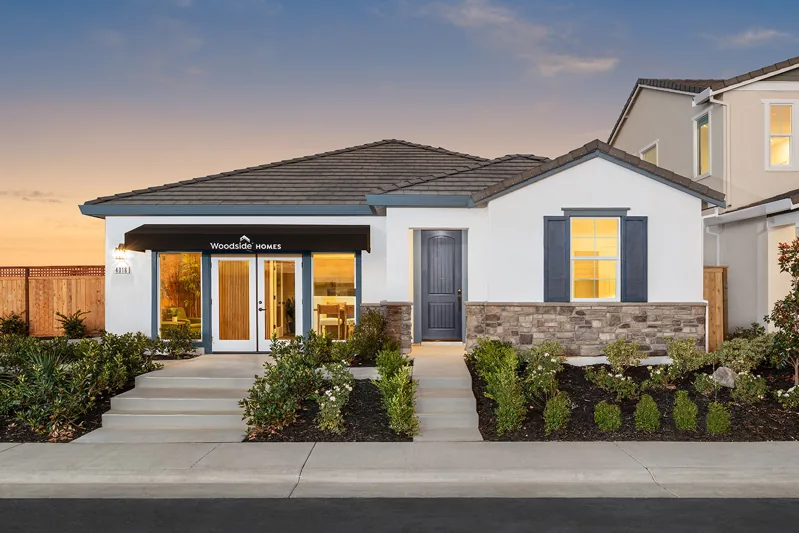
A practical guide to Highline, Sentinel, Overland and Summerfield, with current builder facts and questions to ask before touring Sierra Vista in Roseville.
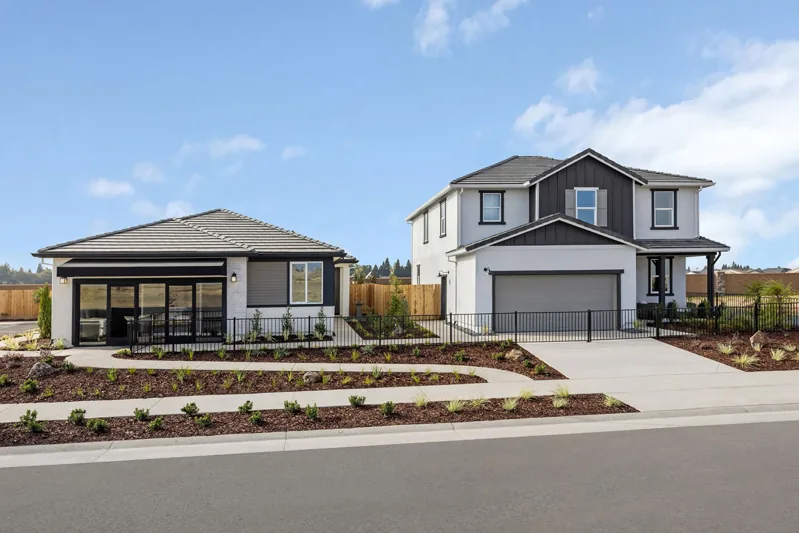
Explore Placer One new homes near Roseville, including current builders, communities, source dates and practical questions to ask before visiting.

A practical way to compare FHA, VA and conventional financing, including the money needed beyond your down payment.
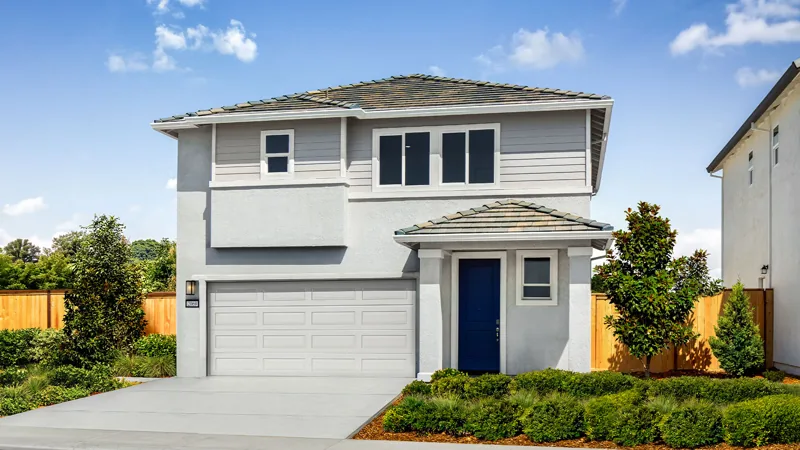
A quick look at pricing, move-in timing and builder incentives to help you plan your next community visit.

Insurance, utilities, wildfire context, commute patterns, taxes and property condition can vary sharply across nearby communities.

A repeatable method for checking planning documents, active projects, transportation and public meeting records.

Midterms do not show a dependable national mortgage-rate pattern. Here is how election outcomes can still reach housing through policy, Treasuries and credit.
The Fed meets October 27 and 28. Here are the four signals that can move mortgage pricing, plus the exact California release times.

Mortgage rates eased, but pending sales, construction and builder confidence weakened. Here is what that mixed signal means for buyers and sellers.
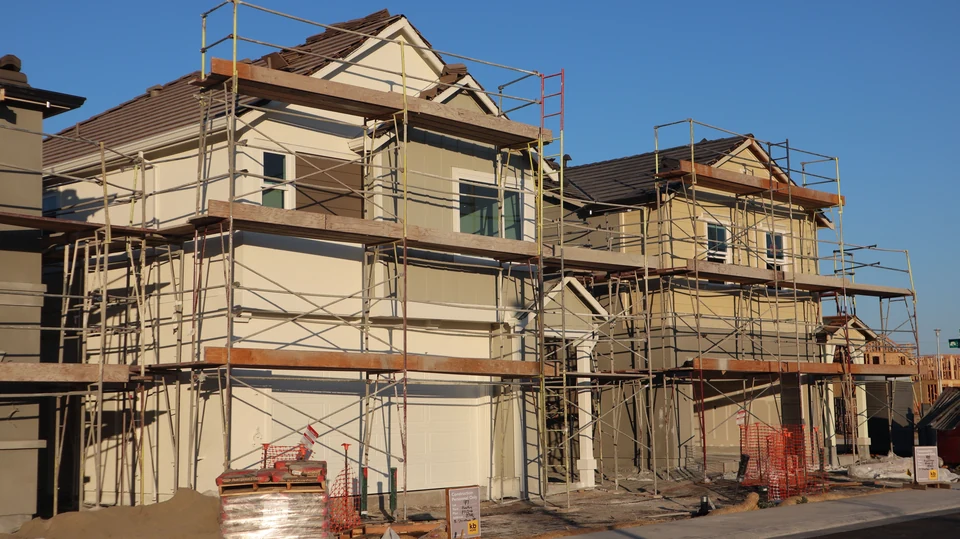
A sharp rally in builder shares can arrive before stronger home sales. Here is how to separate market expectations from evidence at the sales office.

Rising sale prices do not erase buyer leverage. Learn how comparable sales, competing listings, market time and condition can support your offer.

A hot inflation report can push mortgage rates higher, but competing bond-market forces can reverse the move. Here is what a better quote means.
See a worked mortgage-payment and refinance break-even example, and build a homebuying budget that works without a future rate drop.
Keep your payment budget, loan comparison and closing timeline clear when mortgage pricing changes.

Compare the larger loan, lower rate, mortgage insurance and cash left after closing as complete choices.

July PCE inflation remained elevated while income, durable-goods orders, and revised second-quarter growth defined Wednesday's market backdrop.

July new-home sales were estimated at a 607,000 annualized pace as available supply reached 9.6 months, while a 4.70% 10-year Treasury yield and a full economic calendar shape the rate backdrop.

The 10-year Treasury closed Monday at 4.70%, U.S. stocks finished mixed, and representative mortgage averages remained above their August 17 comparison before new-home sales, durable-goods orders, GDP, and Jackson Hole.
The representative Conventional observation was 6.698%, while the August 19 Treasury close put the 10-year yield at 4.65% and the 30-year yield at 5.19%.
The representative Conventional rate averaged 6.750%, while July housing starts fell and bond-market pressure kept the mortgage backdrop cautious.
The latest official 10-year Treasury close was 4.68% on August 14 and the current representative Conventional rate averages 6.743% as oil headlines coincide with higher longer yields.
The 10-year Treasury finished Friday at 4.68%, while the latest representative Conventional rate averages 6.653% before key housing data and Federal Reserve minutes.

The most important interest rate for home buyers is not the one most people are watching
July retail sales fell 0.6%, underlying producer prices rose 0.4%, and the latest representative Conventional rate averages 6.653%.
July retail sales fell 0.6% to $763.6 billion, the 10-year Treasury eased near 4.62%, and today's representative Conventional rate is 6.73%.

July producer prices were unchanged, a core measure rose 0.4%, the 10-year Treasury was near 4.67%, and the latest daily Conventional index was 6.74%.

July inflation matched forecasts, the 10-year Treasury held near 4.67%, and the latest daily mortgage indexes were 6.79% Conventional, 6.31% FHA, and 6.32% VA.

Oil climbed again and the 10-year Treasury moved near 4.73% before Wednesday's inflation report, creating a less friendly morning backdrop for mortgage pricing.

July payrolls fell by 23,000 and prior months were revised lower. The 10-year Treasury closed Friday at 4.65%, while this week’s CPI and PPI reports now hold the next major test for mortgage rates.

Payrolls fell by 23,000 in July, prior months were revised lower, and wage growth cooled. Treasury yields dropped as markets reduced near-term tightening expectations, a rate-friendly move paired with a less reassuring employment backdrop.

Initial jobless claims stayed historically low while continuing claims climbed, productivity improved, and labor costs remained contained. The mix helped bonds at the margin, but elevated mortgage rates continued to restrain housing demand.

July services activity stayed firm while employment contracted and price pressure accelerated. Treasury kept auction sizes steady, leaving mortgage markets with modest relief, but no inflation all-clear.
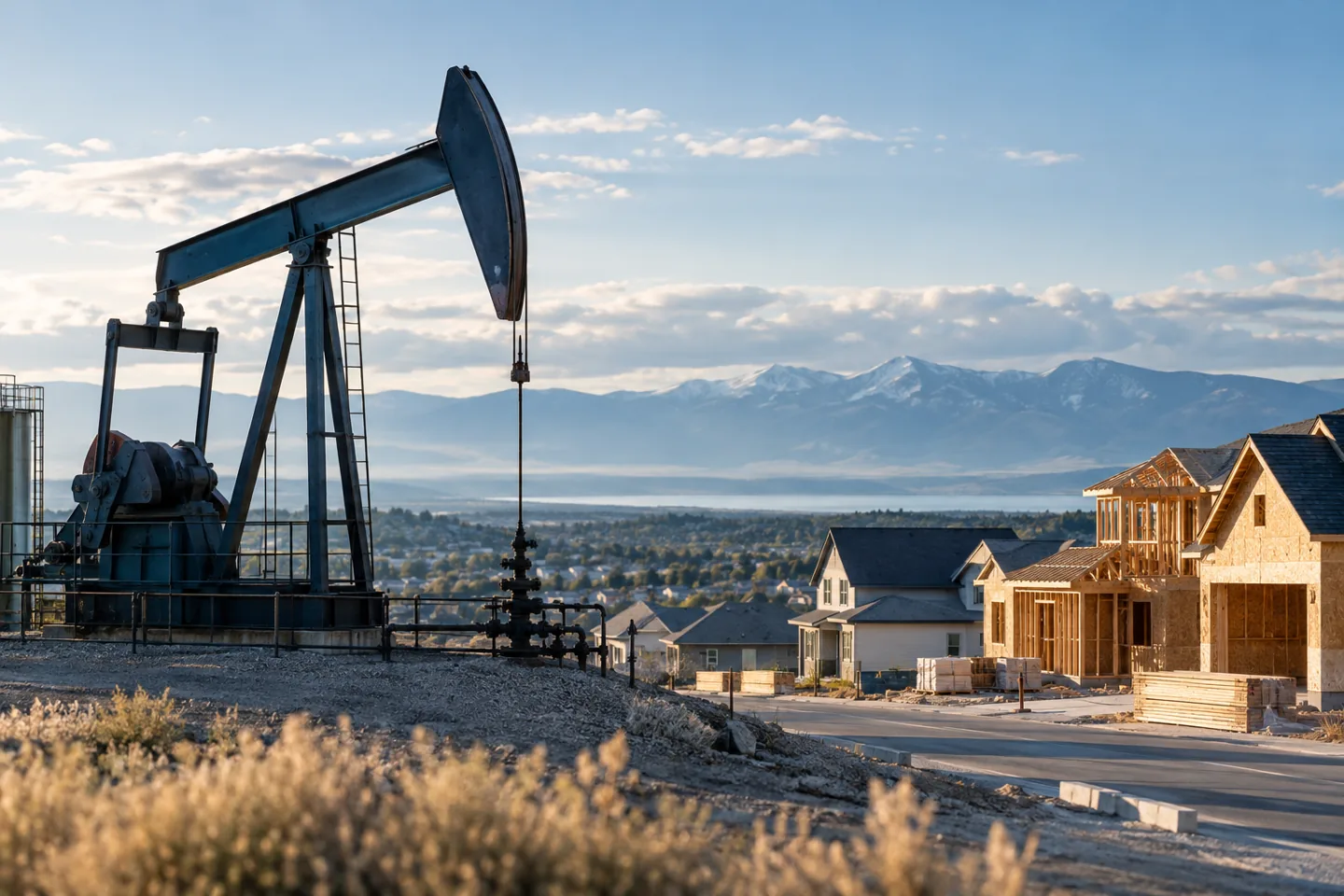
WTI finished its strongest week in months near $82 while short Treasury yields stayed restrictive, forcing housing to weigh healthy demand against a renewed energy shock.

Regional manufacturing surged far beyond expectations while oil below $80 offered a competing inflation signal, leaving housing with a mixed market day.

A wild July ended with stronger oil, expensive gasoline, and sharply divided technology earnings, while long yields kept pressure on housing.

A renewed energy shock pushed long yields and mortgage pressure higher while Alphabet's earnings kept the artificial-intelligence investment debate alive.

The Bank of America chief executive's higher-for-longer view collided with oil relief and a crowded policy calendar, leaving mortgage markets defensive.

Treasury yields eased after softer inflation evidence, giving mortgage markets a friendlier direction without proving that the longer trend had changed.

America's largest homebuilder showed that buyer interest could remain real while elevated mortgage rates, incentives, and affordability constrained transactions.

The Federal Reserve chair put elevated mortgage costs and weak housing beside a firm inflation commitment, while supply proposals highlighted how slowly new homes reach buyers.

Strong artificial-intelligence earnings lifted stocks, but the bond market treated the Fed's divided hold as insufficient protection against inflation.

West Texas crude settled near $90.50 while the 10-year yield reached its highest level of the year, combining inflation pressure with weaker mortgage affordability.

Energy inflation returned, South Korea's KOSPI fell 8.95%, and modest U.S. retail growth left mortgage markets balancing price pressure against global risk.

WTI settled at $82.61, stocks split, and investors assigned meaningful odds to a rate hike ahead of the Federal Reserve decision.
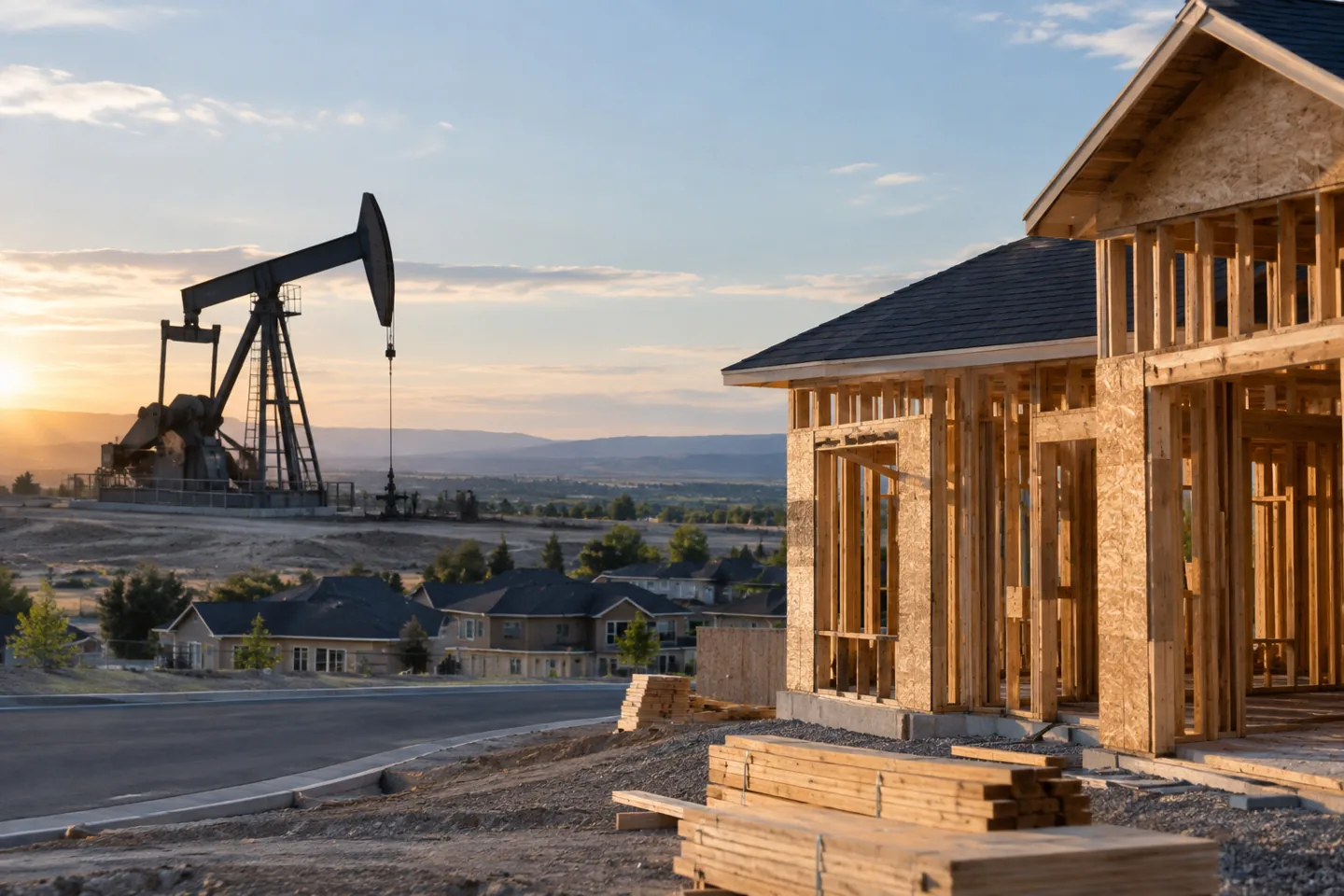
Diplomacy removed part of the oil war premium while the 10-year and 30-year Treasury yields remained high enough to constrain mortgage affordability.

Energy retreated below its recent peak while technology shares and Middle East supply risk kept financial conditions unsettled one day before the Fed announcement.

Oil fell sharply on possible progress at the Strait of Hormuz while softer trade and hiring data helped long-term bonds, even as Palantir and Caterpillar showed that AI investment remained powerful.

A record foreign listing, resilient travel demand, contained oil, and a 10-year Treasury near 4.57% made July 10 a study in strong investment and stubborn financing costs.

A 9 to 3 decision, a 7.3% jump in Brent crude, and a rise in the 10-year Treasury to 4.68% denied housing the relief implied by the word hold.

Long-term financing stayed expensive while a major government software agreement showed that selected investment remained powerful before the Fed meeting.
Midterms do not show a dependable national mortgage-rate pattern. Here is how election outcomes can still reach housing through policy, Treasuries and credit.
The Fed meets October 27 and 28. Here are the four signals that can move mortgage pricing, plus the exact California release times.
The 10-year Treasury finished Friday at 4.68%, while the latest representative Conventional rate averages 6.653% before key housing data and Federal Reserve minutes.
The most important interest rate for home buyers is not the one most people are watching
Regional manufacturing surged far beyond expectations while oil below $80 offered a competing inflation signal, leaving housing with a mixed market day.
The Bank of America chief executive's higher-for-longer view collided with oil relief and a crowded policy calendar, leaving mortgage markets defensive.
The Federal Reserve chair put elevated mortgage costs and weak housing beside a firm inflation commitment, while supply proposals highlighted how slowly new homes reach buyers.
Strong artificial-intelligence earnings lifted stocks, but the bond market treated the Fed's divided hold as insufficient protection against inflation.
WTI settled at $82.61, stocks split, and investors assigned meaningful odds to a rate hike ahead of the Federal Reserve decision.
Energy retreated below its recent peak while technology shares and Middle East supply risk kept financial conditions unsettled one day before the Fed announcement.
A 9 to 3 decision, a 7.3% jump in Brent crude, and a rise in the 10-year Treasury to 4.68% denied housing the relief implied by the word hold.
Long-term financing stayed expensive while a major government software agreement showed that selected investment remained powerful before the Fed meeting.