
Article
Can rent from an ADU help you qualify for the mortgage?
A backyard unit’s advertised rent does not count dollar for dollar. Learn what the lender must verify before using ADU income for your mortgage.
THE PLACER COUNTY EDITION
Explore the complete reading library. Search by topic or question.
A backyard unit’s advertised rent does not count dollar for dollar. Learn what the lender must verify before using ADU income for your mortgage.

AI can help mortgage companies find suspicious patterns. It can also help criminals create convincing documents, messages and voices. Here is what that means for your loan file and the money you send at closing.

Understand a high CU score, secondary valuations, CDA reviews and broker price opinions, plus what a lower value could mean for your home equity loan.

Understand pocket listings, off-market homes and MetroList’s On Market Date, with a buyer script and a practical repair-budget example.

Builder incentives are widespread. Learn how to compare a temporary or permanent buydown with a price cut, seller credit and outside lender offer.
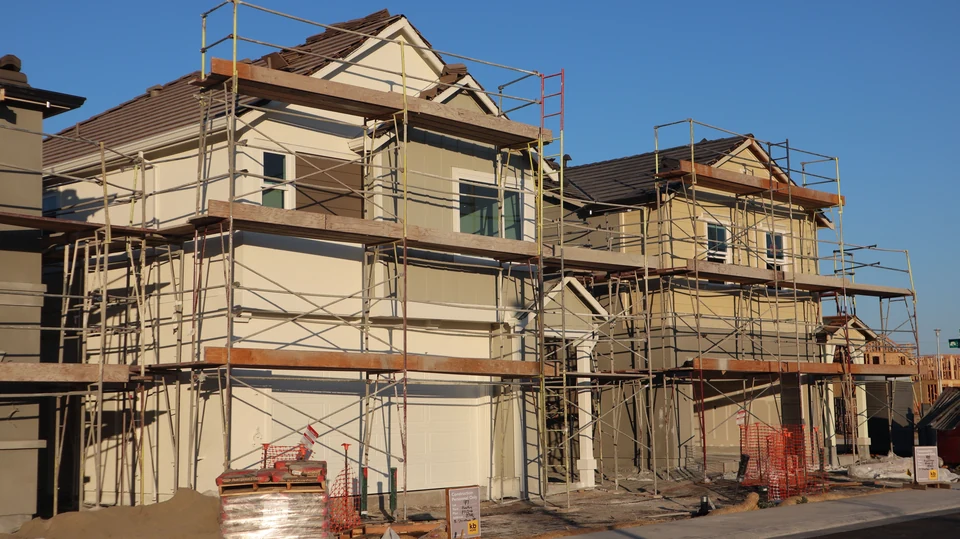
A sharp rally in builder shares can arrive before stronger home sales. Here is how to separate market expectations from evidence at the sales office.

Business funds may be eligible. Before moving money, review ownership, the effect on your business and the records your lender needs.

A practical way to compare FHA, VA and conventional financing, including the money needed beyond your down payment.

Understand the 2% rule, temporary value reductions, tax-bill charges and the steps to take when your county assessment looks too high.

Yes, a reverse mortgage can be paid in part or in full. Learn how voluntary payments, payoff, due dates, a home sale and options for heirs work.

Strong savings may support a mortgage when commissions fall, but the lender still reviews your assets, obligations, loan terms and sustainable payment.

A Refer result is a request for closer review. Learn a California FHA manual-underwriting path, see a debt-to-income example, and understand assistance repayment.

Plan a Dutch Flat Hotel visit with room details, dining questions, a Main Street walk and seasonal Golden Drift Museum information.

The Fed meets October 27 and 28. Here are the four signals that can move mortgage pricing, plus the exact California release times.

HomeSafe Second preserves your first mortgage, but adds a second balance that can grow. Compare payments, costs, equity and repayment before choosing it.

Mortgage rates eased, but pending sales, construction and builder confidence weakened. Here is what that mixed signal means for buyers and sellers.

A hot inflation report can push mortgage rates higher, but competing bond-market forces can reverse the move. Here is what a better quote means.

Explore a home equity loan or HELOC for renovations, debt consolidation or a planned expense, with an option that may let you keep your first mortgage.

A late credit request can squeeze both closings. See how negotiating on the sale and the purchase helped one homeowner, plus the tradeoffs of putting less down or using lender credits.

Manual review and down payment assistance are separate approvals. Compare repayment, forgiveness, monthly cost and future refinance consequences.

Midterms do not show a dependable national mortgage-rate pattern. Here is how election outcomes can still reach housing through policy, Treasuries and credit.

When an AI tool reads a mortgage document, who can explain the result? Two conversations with Brian Vieaux show why the answer matters for lenders and borrowers.

Faster document processing is useful only if it improves the loan experience. Track repeat requests, waiting time and actual costs before judging an AI promise.

A new mortgage servicer means new payment instructions, not a new loan. Use this checklist to protect your payment, escrow and records during the handoff.

Neither new construction nor resale is always better. Compare layout, timing, recurring costs, condition and financing before choosing a California home.

Explore Placer One new homes near Roseville, including current builders, communities, source dates and practical questions to ask before visiting.

Compare a $15,000 price cut with a seller credit, check Roseville-area listing history and sales, and budget for repairs before making an offer.

A refinance title waiver may remove one lender requirement, not every title service or homeowner risk. Compare the itemized costs and protections.

See how eligible retirement assets can become mortgage qualifying income, with a worked asset-depletion example and a practical retirement budget checklist.

Rising sale prices do not erase buyer leverage. Learn how comparable sales, competing listings, market time and condition can support your offer.

Compare a lower price, closing-cost help, temporary payment relief and rate options around the cash you need and the payment you can sustain.

Keep your payment budget, loan comparison and closing timeline clear when mortgage pricing changes.

A practical guide to Highline, Sentinel, Overland and Summerfield, with current builder facts and questions to ask before touring Sierra Vista in Roseville.

See a worked mortgage-payment and refinance break-even example, and build a homebuying budget that works without a future rate drop.

Fixed-rate financing remains dominant. National application and origination reports show how other mortgage options fit alongside it.

See a 2-1 buydown payment example, Fannie Mae seller-contribution limits, and how to divide a seller credit between payment relief and closing costs.

AI leak monitors can learn your household’s water habits. Ask about installation, learning periods and offline protection before choosing an automatic shutoff.

Put the appraisal's status beside the contract deadline, with your agent involved before time runs out.

Compare the cost of the repair, the cost of waiting and the cost of changing loans before taking a shortcut.

Learn who handles an assumable mortgage, why the loan servicer matters and what buyers and sellers should ask before relying on an assumption.

Make sure the old car loan is removed and the correct replacement payment is included before relying on your homebuying budget.

Separate real business income from transfers and borrowed money before comparing a bank-statement loan.

Follow the company's payments and accounting records before deciding how the car loan belongs in your mortgage calculation.

Received a California supplemental property tax refund after buying a home? Learn why it may happen, what to verify and why the money may still be needed.

Compare the statement lines first. Taxes, insurance, rate changes and credit-line activity can affect the bill differently.

Compare the changed lines, ask why they moved, and follow any correction through to cash to close.

Find out whether another person's payment history can help your qualification, without confusing that with release from the old loan.

Work backward from the monthly payment you want, including the costs that come with the actual home.

Compare conventional and FHA appraisal requirements and learn what to ask if your loan program changes after an appraisal is completed.

Match each debt with the right documents so the loan reflects what is owed and what is secured by the home.

How I work backward from a $140,000 buyout to the cash actually left after loan costs, debts and taxes.

Compare the larger loan, lower rate, mortgage insurance and cash left after closing as complete choices.

A rental can cover the lender's housing payment and still leave an ownership budget short. Here is the math.

See how other debts use the payment budget and how paying them off changes the cash left for your goal.

A Roseville buyer with $120,000 income and a 680 credit score compares duplex rent, FHA and conventional down payments, and occupancy requirements.

A clear transfer plan can help your family's gift reach closing without last-minute document questions.

The existing mortgage, new second loan and ownership change need a closing sequence all the right parties can accept.

Put the refinance costs beside the monthly improvement, and compare keeping the current loan too.

Buying your first home in California? Nick Cunningham explains affordability, down payments, loan options, assistance, and every step in plain English.

Learn what first-time homebuyers may need for a down payment, closing costs, prepaid expenses, and reserves, plus ways funds may be sourced.

Learn how California down payment assistance can work, what eligibility and repayment rules to check, and how Nick helps compare the full loan structure.

Compare conventional, FHA, VA, USDA, and assistance-linked home loan paths in plain English. See the trade-offs that matter before you choose.

See the first-time homebuying process from budget and preapproval through offers, underwriting, final review, signing, and closing.

Learn how income, debts, credit, taxes, insurance, HOA dues, and your own comfort zone shape an affordable first-home payment in California.

Clear answers to first-time homebuyer questions about credit, down payments, preapproval, assistance, monthly payments, offers, and closing.

Use verified gross income for qualification and take-home pay to check what feels comfortable.

A guide for financial planners to borrowing capacity, costs, cash needs and the family questions to address first.

Choose the draw plan around the monthly support and reserves you need, not just the biggest credit-line number.

The first payment and the payment used for approval may be different. Compare the balances, rates and repayment assumptions.

Learn how home equity might help fund a commercial-property purchase, which risks remain and what to compare before borrowing against your home.

Look at the rental's cash flow and the new payment on your home together before using equity to invest.

Data centers promise investment and jobs, but communities are asking who pays for the power, roads, and housing

Retail sales fell, value stores stayed busy, and both signals can be true

The most important interest rate for home buyers is not the one most people are watching

Start with the job timeline and the type of pay. A change of employer does not answer the mortgage question by itself.

A repeatable method for checking planning documents, active projects, transportation and public meeting records.

Insurance, utilities, wildfire context, commute patterns, taxes and property condition can vary sharply across nearby communities.

A practical question list for buyers and real estate professionals before a property becomes emotionally expensive.

Water, septic, wells, access, power, solar agreements and outbuildings can shape both due diligence and financing.

A record foreign listing, resilient travel demand, contained oil, and a 10-year Treasury near 4.57% made July 10 a study in strong investment and stubborn financing costs.

Energy inflation returned, South Korea's KOSPI fell 8.95%, and modest U.S. retail growth left mortgage markets balancing price pressure against global risk.

The Federal Reserve chair put elevated mortgage costs and weak housing beside a firm inflation commitment, while supply proposals highlighted how slowly new homes reach buyers.

Treasury yields eased after softer inflation evidence, giving mortgage markets a friendlier direction without proving that the longer trend had changed.

Regional manufacturing surged far beyond expectations while oil below $80 offered a competing inflation signal, leaving housing with a mixed market day.

WTI finished its strongest week in months near $82 while short Treasury yields stayed restrictive, forcing housing to weigh healthy demand against a renewed energy shock.

The Bank of America chief executive's higher-for-longer view collided with oil relief and a crowded policy calendar, leaving mortgage markets defensive.

America's largest homebuilder showed that buyer interest could remain real while elevated mortgage rates, incentives, and affordability constrained transactions.

A renewed energy shock pushed long yields and mortgage pressure higher while Alphabet's earnings kept the artificial-intelligence investment debate alive.

West Texas crude settled near $90.50 while the 10-year yield reached its highest level of the year, combining inflation pressure with weaker mortgage affordability.

Long-term financing stayed expensive while a major government software agreement showed that selected investment remained powerful before the Fed meeting.

WTI settled at $82.61, stocks split, and investors assigned meaningful odds to a rate hike ahead of the Federal Reserve decision.

Energy retreated below its recent peak while technology shares and Middle East supply risk kept financial conditions unsettled one day before the Fed announcement.

A 9 to 3 decision, a 7.3% jump in Brent crude, and a rise in the 10-year Treasury to 4.68% denied housing the relief implied by the word hold.

Strong artificial-intelligence earnings lifted stocks, but the bond market treated the Fed's divided hold as insufficient protection against inflation.

A wild July ended with stronger oil, expensive gasoline, and sharply divided technology earnings, while long yields kept pressure on housing.

Diplomacy removed part of the oil war premium while the 10-year and 30-year Treasury yields remained high enough to constrain mortgage affordability.

Oil fell sharply on possible progress at the Strait of Hormuz while softer trade and hiring data helped long-term bonds, even as Palantir and Caterpillar showed that AI investment remained powerful.

July services activity stayed firm while employment contracted and price pressure accelerated. Treasury kept auction sizes steady, leaving mortgage markets with modest relief, but no inflation all-clear.

Initial jobless claims stayed historically low while continuing claims climbed, productivity improved, and labor costs remained contained. The mix helped bonds at the margin, but elevated mortgage rates continued to restrain housing demand.

Payrolls fell by 23,000 in July, prior months were revised lower, and wage growth cooled. Treasury yields dropped as markets reduced near-term tightening expectations, a rate-friendly move paired with a less reassuring employment backdrop.

July payrolls fell by 23,000 and prior months were revised lower. The 10-year Treasury closed Friday at 4.65%, while this week’s CPI and PPI reports now hold the next major test for mortgage rates.

Oil climbed again and the 10-year Treasury moved near 4.73% before Wednesday's inflation report, creating a less friendly morning backdrop for mortgage pricing.

July inflation matched forecasts, the 10-year Treasury held near 4.67%, and the latest daily mortgage indexes were 6.79% Conventional, 6.31% FHA, and 6.32% VA.

July producer prices were unchanged, a core measure rose 0.4%, the 10-year Treasury was near 4.67%, and the latest daily Conventional index was 6.74%.

July retail sales fell 0.6% to $763.6 billion, the 10-year Treasury eased near 4.62%, and today's representative Conventional rate is 6.73%.

July retail sales fell 0.6%, underlying producer prices rose 0.4%, and the latest representative Conventional rate averages 6.653%.

The 10-year Treasury finished Friday at 4.68%, while the latest representative Conventional rate averages 6.653% before key housing data and Federal Reserve minutes.

The latest official 10-year Treasury close was 4.68% on August 14 and the current representative Conventional rate averages 6.743% as oil headlines coincide with higher longer yields.

The representative Conventional rate averaged 6.750%, while July housing starts fell and bond-market pressure kept the mortgage backdrop cautious.

The representative Conventional observation was 6.698%, while the August 19 Treasury close put the 10-year yield at 4.65% and the 30-year yield at 5.19%.

The 10-year Treasury closed Monday at 4.70%, U.S. stocks finished mixed, and representative mortgage averages remained above their August 17 comparison before new-home sales, durable-goods orders, GDP, and Jackson Hole.

July new-home sales were estimated at a 607,000 annualized pace as available supply reached 9.6 months, while a 4.70% 10-year Treasury yield and a full economic calendar shape the rate backdrop.

July PCE inflation remained elevated while income, durable-goods orders, and revised second-quarter growth defined Wednesday's market backdrop.

Check your credential and employment situation, then compare the specialized program with your other mortgage options.

How to organize down payment, closing costs, reserves, inspections and moving expenses before choosing a target price.

What homeowners and families should discuss about occupancy, costs, responsibilities, alternatives and counseling.

A decision framework for revolving access, fixed proceeds, payment stability and preserving the existing first mortgage.

How to prepare assets, income, reserves, ownership interests and property context for a larger loan review.

A concise handoff structure that improves speed without placing sensitive information in casual channels.

How to prepare a property improvement plan before comparing financing choices.

A documentation framework for business owners, independent professionals and investors.

A practical starting point for eligibility, entitlement, cash needs, property expectations and team coordination.

Define the total-payment target first, then calculate the paydown and confirm what the servicer will allow.

CalHFA has published updates covering Dream For All, refinance, manufactured housing, income limits and a UC shared appreciation program.

FHA confirmed its intention to enable additional eligible credit scoring models alongside Classic FICO.

HUD Mortgagee Letter 2026-06 updates an operational feature of the Limited 203(k) rehabilitation program.

HUD opened a request for information about updating long standing single family minimum property requirements.

VA guidance addressed the effect of certain home energy efficiency ratings on underwriting decisions.

VA published a change clarifying when invoices or supporting documents are required for itemized fees and charges.

August sales improved, builders are using incentives, and financing grew more expensive this week. Here is what that combination means when you tour a new home.

Find out what rent the specific lender will accept before building your home-equity plan around a new tenant.

The property's supported unit count can change the loan options, pricing and use of rental income.

Signing authority and borrower identification are separate tasks. Give the family a clear checklist for both.

Practical mortgage support for California real estate agents: buyer preparation, offer conversations, transaction updates, listing-side questions, and local resources.

A practical buyer-financing handoff for California real estate agents: goals, payment comfort, cash-to-close, review stages, documents, and property questions.

A clear mortgage communication plan for California real estate agents from accepted offer through appraisal, conditions, closing figures, and funding.

A real estate agent's guide to HECM for Purchase: buyer contribution, property fit, offer planning, ongoing obligations, family questions, and early scenario review.

A practical financing review for California listing agents: lender questions, offer terms, program myths, property fit, appraisal, credits, and communication.

Pre-offer mortgage support for California real estate agents: property fit, price, credits, appraisal, timing, lender calls, and financing assumptions.

A practical first-time buyer conversation guide for real estate agents and prospective homebuyers.

A printable worksheet for planning the sale of a current home and the next purchase as one decision.

Official Sacramento-area starting points for homebuyers, homeowners, agents, and referral partners.

A sourced guide to recurring questions about VA-backed purchase offers.

Use better financing questions before a buyer reaches the offer stage.

Plan beyond the down payment before you start shopping.

Compare a HELOC, home equity loan and refinance without focusing on payment alone.

Create a calm, informed family discussion before deciding whether a HECM deserves a closer look.

Organize the questions that matter before a VA-backed offer is written.

Connect the family buyout, ownership transfer and verified retirement income before relying on a refinance.

Learn how an FHA-insured HECM reverse mortgage works, what it costs, what homeowners must keep paying, and when another option may fit better.

Understand HECM closing costs, the growing loan balance, property charges, occupancy rules, non-recourse protection, and the questions families should ask.

Understand who attends reverse mortgage counseling, what you discuss, how fees work and what the certificate means before deciding whether to borrow.

Mortgage-side support for CPAs reviewing HECM loan proceeds, interest, property charges, liquidity, documentation, and client coordination.

Help a parent evaluate a HECM without taking over the decision. Learn the questions to ask about the home, costs, spouse protections, servicing, and the estate.

How home equity can support a retirement plan, what a HECM costs, and the questions to explore with your clients.

See how eligible buyers age 62 or older can combine personal funds with a HECM to buy a principal residence and keep more cash available.

See how a HECM uses home equity, how the balance grows, how proceeds may be received, what homeowners still pay, and when the loan is repaid.

A practical opinion guide for families and financial planners comparing HECM, HomeSafe, reverse second mortgages, costs, spouse protections and alternatives.

Short, dated, sourced notes on reverse mortgage (HECM) policy, programs, and local items as they land.

A real loan-file clarification shows why the existing loan type and payoff matter before estimating available reverse-mortgage proceeds.

Review signing authority early so the family's housing plan is not held up by unanswered document questions at closing.

A quick look at pricing, move-in timing and builder incentives to help you plan your next community visit.

Work backward from when the purchase needs the money, then connect the sale, transfer and funding steps.

Compare HELOCs, home equity loans, and refinancing. Learn what a second mortgage changes, what it costs, and which risks belong in the decision.

Compare three ways to borrow against home equity, including what happens to the first mortgage, payment structure, fees, and future flexibility.

Review second-mortgage fees, payment changes, HELOC access risk, tax cautions, rescission, and the foreclosure risk of debt secured by your home.

Learn what changes when other debt moves onto the home. Compare the new term, total cost, payment, old-account plan, and alternatives.

Learn how HELOC draw and repayment periods work, why rates and payments can change, what fees may apply, and when access can be restricted.

See how a closed-end home equity loan works, what a fixed payment does and does not solve, and how it compares with a HELOC or refinance.

Compare a HELOC and home equity loan for repairs or renovations, including project timing, staged draws, overruns, payments, and risks.

Use a balanced decision guide to compare the goal, payment, time, resilience, and alternatives before borrowing against your home.

Follow the second-mortgage process from the first conversation through disclosures, property review, underwriting, closing, and servicing.

Learn when depreciation may be added back for a self-employed mortgage borrower and why tax returns, business type and loan rules still matter.

Check the documentation rules and the actual business income before choosing between one year and a two-year average.

Turn points and seller credits into dollars to see what the buyer still needs to bring to closing.

An earlier date can mean another signing and more costs. Here is how we weighed that choice in one transaction.

Ask which cost test is involved, then compare the payment and upfront cost of the available options.

Start with the solar contract. Ownership, financing, leases and power agreements can create different questions for the loan.

For Steven and Miranda, a three-bedroom home in Lincoln is the beginning of something they have wanted for years.

Compare the payment after temporary help ends with the cost of buying a lower ongoing rate.

Learn why a phone or utility account may appear during mortgage review, whether it counts as debt and what documentation a lender may request.

Understand VA home loan benefits, eligibility, costs, buying, and refinancing. Get straight answers from Nick Cunningham, NMLS #907393.

Understand what a VA appraisal does, how it differs from a home inspection, what happens with low value or repairs, and which homes may be eligible.

See how buying a home with a VA-backed loan works, from COE and budget planning through the offer, appraisal, underwriting, and closing.

Learn how a VA cash-out refinance may access home equity or replace a non-VA mortgage, plus the appraisal, occupancy, cost, and approval questions.

Learn who may qualify for a VA home loan, what a Certificate of Eligibility shows, and how to request a COE without confusing it with loan approval.

Understand full and remaining VA entitlement, using the VA benefit again, restoration, and when county loan limits still matter.

See how the VA funding fee works, who may be exempt, current fee percentages, what can be financed, and which closing costs may still apply.

Learn how a VA Interest Rate Reduction Refinance Loan works, who may be eligible, what it costs, and how to judge the real benefit.

Find official paths for the Native American Direct Loan, VA adapted housing grants, and VA help when mortgage payments become difficult.

Compare the VA IRRRL and VA cash-out refinance. See which existing loan, occupancy, appraisal, equity, cost, and benefit questions matter.

Learn which surviving spouses may have a VA home loan eligibility path, how the COE process works, and what the lender still needs to review.

Careful saving, a patient search and a payment that fit helped Yasandra find her first home in Roseville.

Know what gets tested, what is included and which responsibilities remain between visits.

Keep the homeowner role to observation, safe use and arranging qualified electrical help.

Use the transition toward wetter weather to organize drainage, heating and outstanding maintenance.

Make a household water plan with clear labels, safe access and the right emergency contacts.

Use a short observation routine to spot possible leaks and prepare a useful service request.

Get oriented, organize records and separate urgent needs from projects that can wait.

A clean gutter is only part of the picture. Look at downspouts, drainage and safe access too.

Compare comfort, installation work and operating assumptions before replacing heating and cooling equipment.

A clear scope, license checks and a payment plan make estimates easier to evaluate.

Plan around essential loads, outage expectations and installation details before comparing battery packages.

Make exits, meeting places and household responsibilities clear before an emergency.

Use the renewal to review the home, limits, exclusions and changes in your household.

Start room by room and create a usable record of belongings before a loss.

Know your filter, notice changes early, and make the next service visit more useful.

Find misdirected spray, damaged heads and schedule problems without guessing at watering needs.

A practical way to describe a pest problem, reduce attractants and evaluate service recommendations.

Review access, supervision and emergency preparation alongside ordinary pool maintenance.

Spot changes, document concerns and ask a roofer better questions while keeping your feet on the ground.

Check coverage, testing instructions and emergency responses before an alarm becomes confusing.

Understand ownership, payment changes, roof work and resale responsibilities before committing.

Use production records and manufacturer guidance to decide what maintenance is worth investigating.

Review cooling, irrigation and the changes winter left behind, then prioritize the work.

Plan comfort, outdoor work and an alternative place to cool down before a heat event.

Separate identification, treatment and wood repair so you understand the proposed work.

Use a documented assessment to understand pruning, health concerns and removal recommendations.

Gather the right records, notice changes and plan professional maintenance for your specific equipment.

Build a practical plan for the structure, surrounding property and the people who live there.

Choose a comfortable room, plan filtration and keep evacuation and heat safety in view.

Prepare for your address and elevation rather than assuming every Placer County home faces the same conditions.

Match plants, tasks and service expectations to the way you use your outdoor space.

Tell your lender and real estate agent promptly. A quote, an application for insurance and bound coverage are different steps. Your lender must confirm acceptable coverage for the loan, and unresolved insurance can delay or prevent closing. Search with a licensed insurance professional, identify outstanding conditions and coordinate the purchase-contract deadlines before relying on a closing date.

The California FAIR Plan is limited property coverage and is not equivalent to a traditional homeowners policy. A separate Difference in Conditions policy, often called DIC, may address gaps such as liability, theft and certain water damage. Actual coverage depends on both policies. Have a licensed insurance professional explain the gaps and have your lender review the complete proposed coverage.

Possibly. A higher insurance premium increases the housing expense used in mortgage qualification, even if you pay the premium directly instead of through escrow. Your lender needs the updated quote and must recalculate your file. The result depends on income, other debts, loan program and underwriting. An earlier preapproval is not a promise that a higher payment will qualify.

Homeowners insurance helps protect your home and belongings against covered losses. In California, start checking insurance availability and cost early in a home purchase, and review coverage before renewal. A mortgage preapproval is not confirmation that a particular property can be insured. Compare coverage, exclusions, deductibles and the total cost, then have your lender review the proposed policy.

Your new payment may include both a higher amount for future insurance bills and repayment of an existing escrow shortage. Those are separate items. A fixed mortgage interest rate does not freeze taxes or insurance costs. Review the servicer's escrow analysis, compare its insurance figure with the actual renewal premium and ask it to explain the shortage calculation and repayment schedule.

Read the notice and identify the policy expiration date, the stated reason and the insurer's contact details. Contact your insurance professional promptly and start shopping for replacement coverage. Keep your mortgage servicer informed. Ask the California Department of Insurance about notice requirements or protections that may apply to your address; do not assume a nonrenewal notice ends coverage immediately or that an exception automatically applies.

A practical seasonal walkthrough for Placer County homeowners, from summer heat to winter rain.

Combined loan-to-value, or CLTV, considers the first mortgage together with other mortgage debt secured by the same property. It compares those amounts with the applicable property value. LTV looks at the first mortgage alone. A HELOC can also require a separate HCLTV calculation that considers its full credit limit.

Debt-to-income ratio, or DTI, compares monthly debt obligations with the monthly income the lender accepts for qualification. It is usually expressed as a percentage. The calculation includes the proposed housing payment and other counted debts. It helps evaluate repayment capacity, but it does not describe every expense in your household budget.

Definitions, examples and questions to bring to your mortgage conversation.

Loan-to-value ratio, or LTV, compares a mortgage amount with the property value used for that loan. Divide the loan amount by the applicable value and express the result as a percentage. LTV helps the lender assess the financing, but the accepted value, loan purpose and program rules affect the calculation.

Prepaids are expenses collected at closing in advance of the first scheduled mortgage payment. They can include homeowners insurance premiums, prepaid interest and applicable taxes or mortgage insurance. They are different from lender origination charges and from the initial escrow deposit, although all can affect the cash needed to close.

Mortgage reserves are eligible assets available after you pay the funds needed to close. Lenders may measure them in months of the qualifying housing payment. They are not an extra fee paid to the lender. Required amounts and acceptable assets depend on the loan, property and full application review.
A conversation about your payment, cash to close and next move in Placer County. Here is what to bring and how to request a time.
What a professional comparative market analysis can tell you, what it cannot promise, and how to request a free local-agent introduction.

Meet FirstHome IQ, the nonprofit behind free homebuyer learning tools, and choose a practical starting point before your next housing conversation.
The history of the 10-year Treasury, why markets watch its yield, and why mortgage rates often follow it without moving in lockstep.
No matching articles. Try a different word or search all resources.