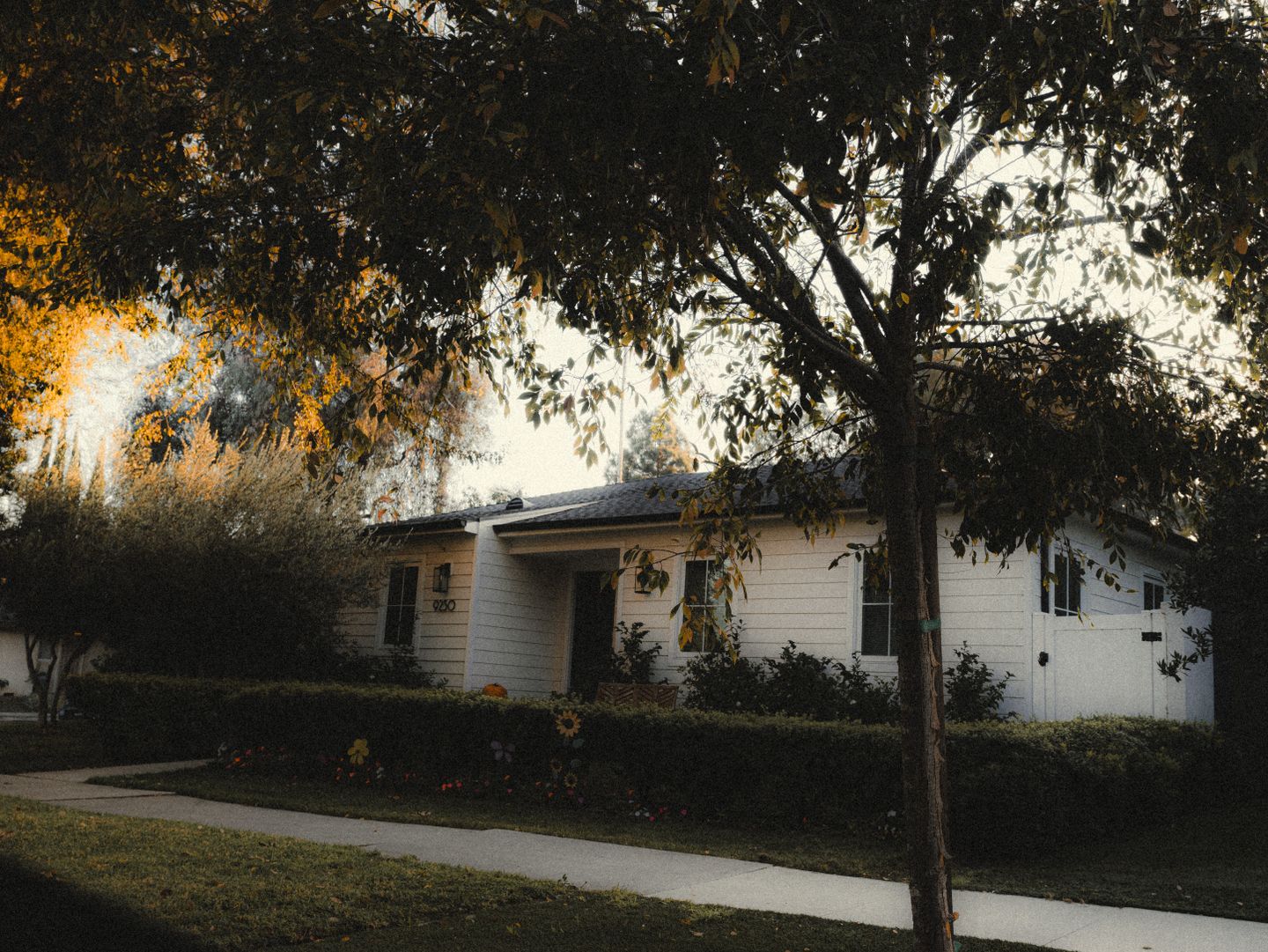
Taxes & mortgage payments
California property taxes: why your bill changes and how to question the value
Understand the 2% rule, temporary value reductions, tax-bill charges and the steps to take when your county assessment looks too high.
FOR PLACER COUNTY HOMEOWNERS
Understand the 2% rule, temporary value reductions, tax-bill charges and the steps to take when your county assessment looks too high.
Read the notice and identify the policy expiration date, the stated reason and the insurer's contact details. Contact your insurance professional promptly and start shopping for replacement coverage. Keep your mortgage servicer informed. Ask the California Department of Insurance about notice requirements or protections that may apply to your address; do not assume a nonrenewal notice ends coverage immediately or that an exception automatically applies.
A practical seasonal walkthrough for Placer County homeowners, from summer heat to winter rain.

A new mortgage servicer means new payment instructions, not a new loan. Use this checklist to protect your payment, escrow and records during the handoff.

Explore a home equity loan or HELOC for renovations, debt consolidation or a planned expense, with an option that may let you keep your first mortgage.
A clean gutter is only part of the picture. Look at downspouts, drainage and safe access too.
The California FAIR Plan is limited property coverage and is not equivalent to a traditional homeowners policy. A separate Difference in Conditions policy, often called DIC, may address gaps such as liability, theft and certain water damage. Actual coverage depends on both policies. Have a licensed insurance professional explain the gaps and have your lender review the complete proposed coverage.
A refinance title waiver may remove one lender requirement, not every title service or homeowner risk. Compare the itemized costs and protections.
Received a California supplemental property tax refund after buying a home? Learn why it may happen, what to verify and why the money may still be needed.
Homeowners insurance helps protect your home and belongings against covered losses. In California, start checking insurance availability and cost early in a home purchase, and review coverage before renewal. A mortgage preapproval is not confirmation that a particular property can be insured. Compare coverage, exclusions, deductibles and the total cost, then have your lender review the proposed policy.

Your new payment may include both a higher amount for future insurance bills and repayment of an existing escrow shortage. Those are separate items. A fixed mortgage interest rate does not freeze taxes or insurance costs. Review the servicer's escrow analysis, compare its insurance figure with the actual renewal premium and ask it to explain the shortage calculation and repayment schedule.

Make exits, meeting places and household responsibilities clear before an emergency.
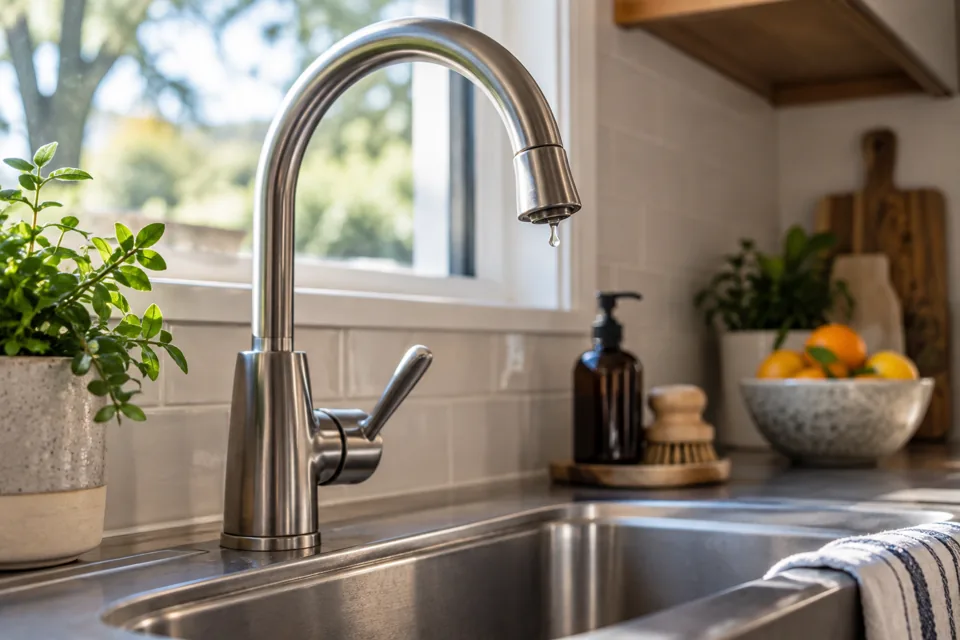
Use a short observation routine to spot possible leaks and prepare a useful service request.
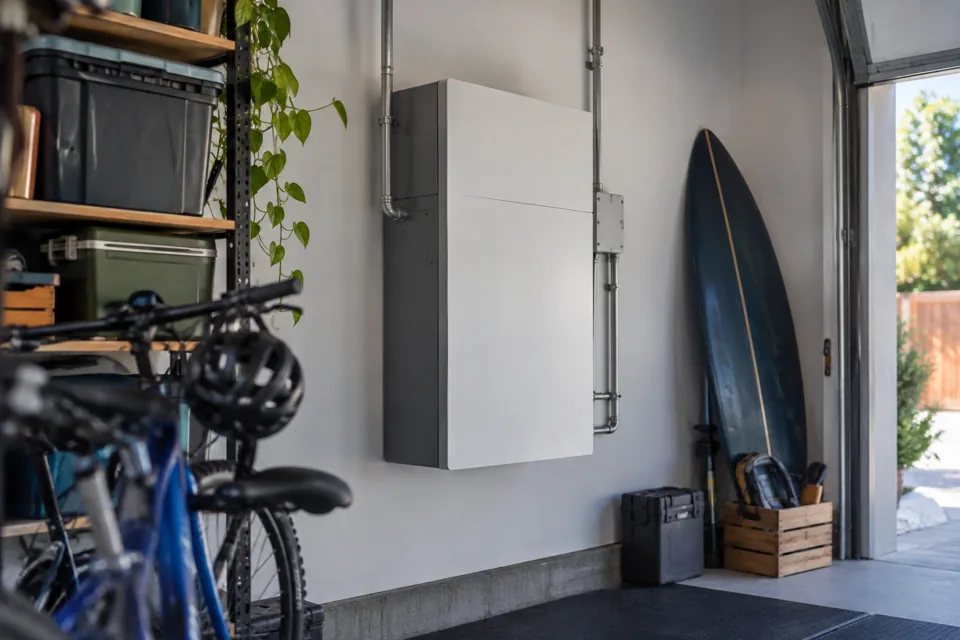
Plan around essential loads, outage expectations and installation details before comparing battery packages.

Know what gets tested, what is included and which responsibilities remain between visits.
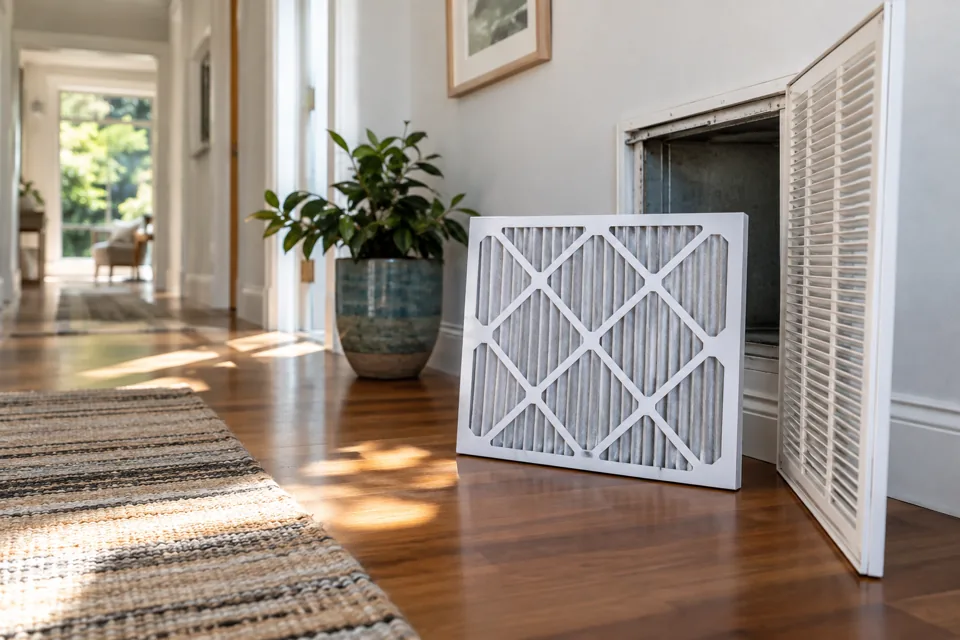
Know your filter, notice changes early, and make the next service visit more useful.
Understand the 2% rule, temporary value reductions, tax-bill charges and the steps to take when your county assessment looks too high.
Read the notice and identify the policy expiration date, the stated reason and the insurer's contact details. Contact your insurance professional promptly and start shopping for replacement coverage. Keep your mortgage servicer informed. Ask the California Department of Insurance about notice requirements or protections that may apply to your address; do not assume a nonrenewal notice ends coverage immediately or that an exception automatically applies.
A practical seasonal walkthrough for Placer County homeowners, from summer heat to winter rain.
A new mortgage servicer means new payment instructions, not a new loan. Use this checklist to protect your payment, escrow and records during the handoff.
Explore a home equity loan or HELOC for renovations, debt consolidation or a planned expense, with an option that may let you keep your first mortgage.
A clean gutter is only part of the picture. Look at downspouts, drainage and safe access too.
The California FAIR Plan is limited property coverage and is not equivalent to a traditional homeowners policy. A separate Difference in Conditions policy, often called DIC, may address gaps such as liability, theft and certain water damage. Actual coverage depends on both policies. Have a licensed insurance professional explain the gaps and have your lender review the complete proposed coverage.
A refinance title waiver may remove one lender requirement, not every title service or homeowner risk. Compare the itemized costs and protections.
Received a California supplemental property tax refund after buying a home? Learn why it may happen, what to verify and why the money may still be needed.
Homeowners insurance helps protect your home and belongings against covered losses. In California, start checking insurance availability and cost early in a home purchase, and review coverage before renewal. A mortgage preapproval is not confirmation that a particular property can be insured. Compare coverage, exclusions, deductibles and the total cost, then have your lender review the proposed policy.
Your new payment may include both a higher amount for future insurance bills and repayment of an existing escrow shortage. Those are separate items. A fixed mortgage interest rate does not freeze taxes or insurance costs. Review the servicer's escrow analysis, compare its insurance figure with the actual renewal premium and ask it to explain the shortage calculation and repayment schedule.
Make exits, meeting places and household responsibilities clear before an emergency.
Use a short observation routine to spot possible leaks and prepare a useful service request.
Plan around essential loads, outage expectations and installation details before comparing battery packages.
Know what gets tested, what is included and which responsibilities remain between visits.
Know your filter, notice changes early, and make the next service visit more useful.

A refinance title waiver may remove one lender requirement, not every title service or homeowner risk. Compare the itemized costs and protections.

Learn how a VA cash-out refinance may access home equity or replace a non-VA mortgage, plus the appraisal, occupancy, cost, and approval questions.

Compare the VA IRRRL and VA cash-out refinance. See which existing loan, occupancy, appraisal, equity, cost, and benefit questions matter.
Explore a home equity loan or HELOC for renovations, debt consolidation or a planned expense, with an option that may let you keep your first mortgage.

Look at the rental's cash flow and the new payment on your home together before using equity to invest.

The existing mortgage, new second loan and ownership change need a closing sequence all the right parties can accept.

Learn how home equity might help fund a commercial-property purchase, which risks remain and what to compare before borrowing against your home.

Find out what rent the specific lender will accept before building your home-equity plan around a new tenant.

How I work backward from a $140,000 buyout to the cash actually left after loan costs, debts and taxes.

The first payment and the payment used for approval may be different. Compare the balances, rates and repayment assumptions.

A decision framework for revolving access, fixed proceeds, payment stability and preserving the existing first mortgage.

Learn how HELOC draw and repayment periods work, why rates and payments can change, what fees may apply, and when access can be restricted.

Compare a HELOC, home equity loan and refinance without focusing on payment alone.

See how a closed-end home equity loan works, what a fixed payment does and does not solve, and how it compares with a HELOC or refinance.

Compare three ways to borrow against home equity, including what happens to the first mortgage, payment structure, fees, and future flexibility.

Use a balanced decision guide to compare the goal, payment, time, resilience, and alternatives before borrowing against your home.

Follow the second-mortgage process from the first conversation through disclosures, property review, underwriting, closing, and servicing.

Review second-mortgage fees, payment changes, HELOC access risk, tax cautions, rescission, and the foreclosure risk of debt secured by your home.

Learn what changes when other debt moves onto the home. Compare the new term, total cost, payment, old-account plan, and alternatives.

Compare a HELOC and home equity loan for repairs or renovations, including project timing, staged draws, overruns, payments, and risks.

Compare HELOCs, home equity loans, and refinancing. Learn what a second mortgage changes, what it costs, and which risks belong in the decision.
Make exits, meeting places and household responsibilities clear before an emergency.
Use a short observation routine to spot possible leaks and prepare a useful service request.
Plan around essential loads, outage expectations and installation details before comparing battery packages.
Know what gets tested, what is included and which responsibilities remain between visits.
Know your filter, notice changes early, and make the next service visit more useful.

Match plants, tasks and service expectations to the way you use your outdoor space.

Understand ownership, payment changes, roof work and resale responsibilities before committing.

Use a documented assessment to understand pruning, health concerns and removal recommendations.
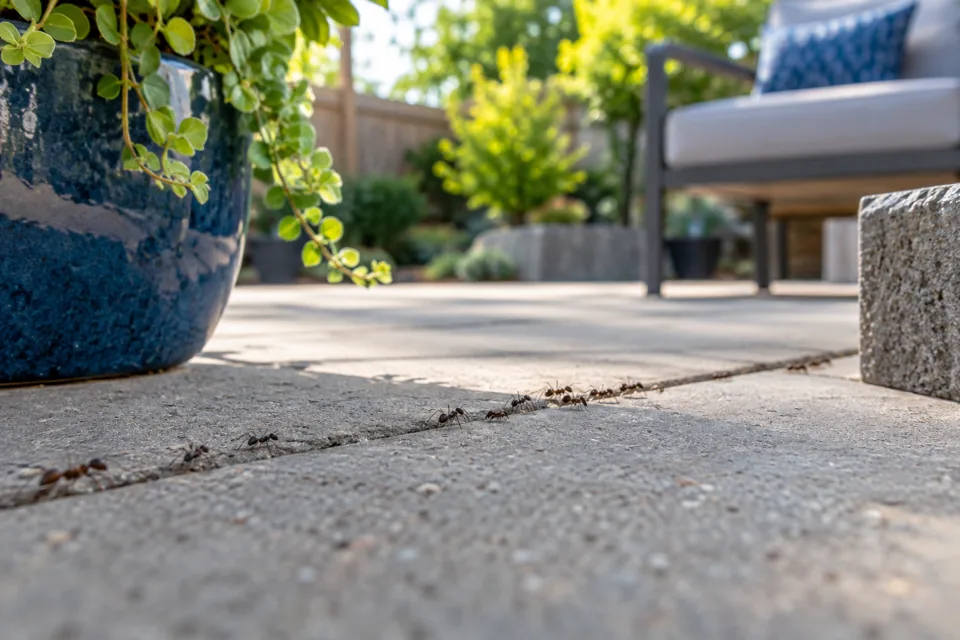
A practical way to describe a pest problem, reduce attractants and evaluate service recommendations.
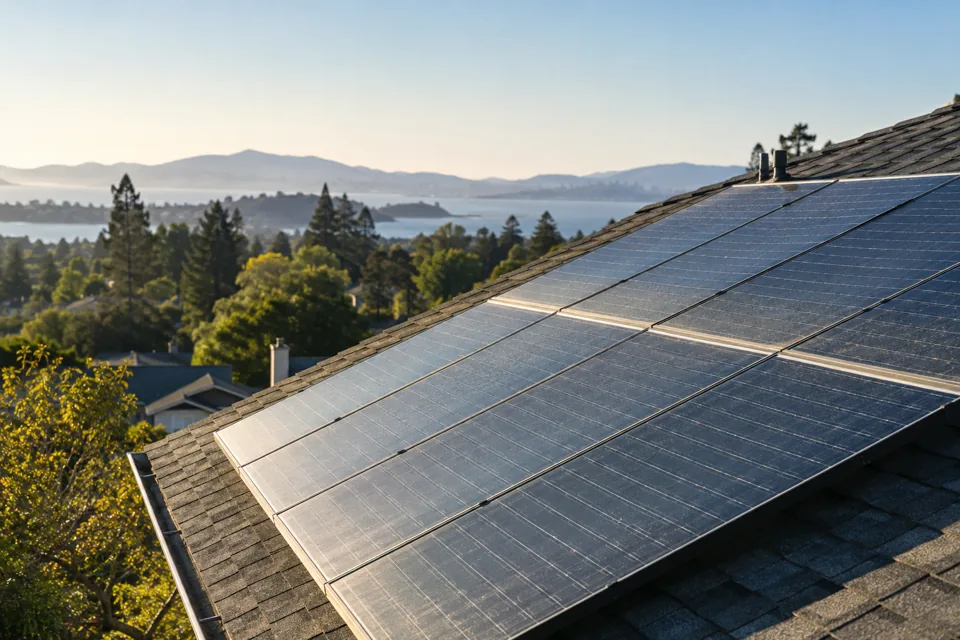
Use production records and manufacturer guidance to decide what maintenance is worth investigating.

Keep the homeowner role to observation, safe use and arranging qualified electrical help.
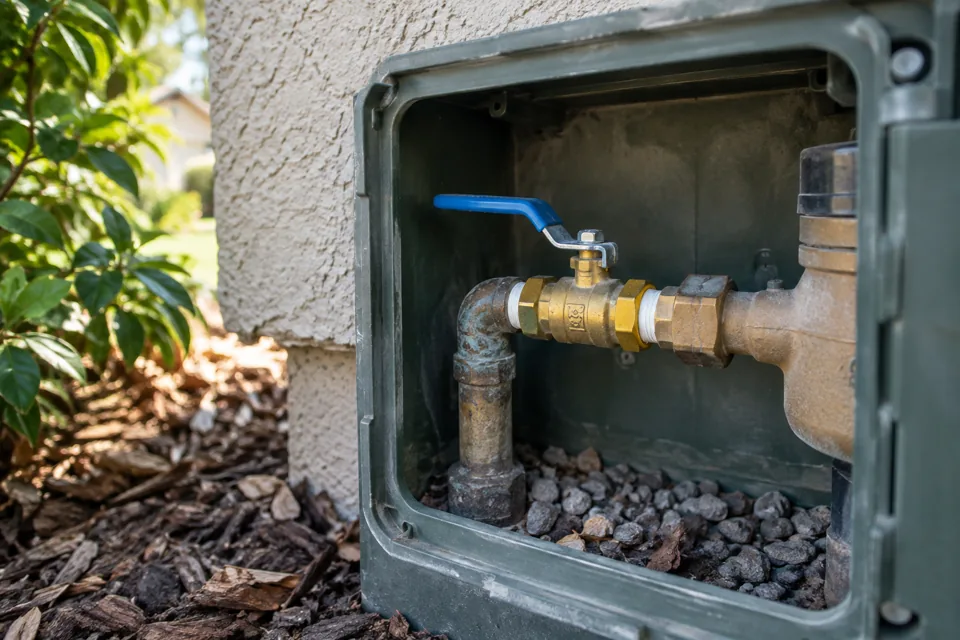
Make a household water plan with clear labels, safe access and the right emergency contacts.
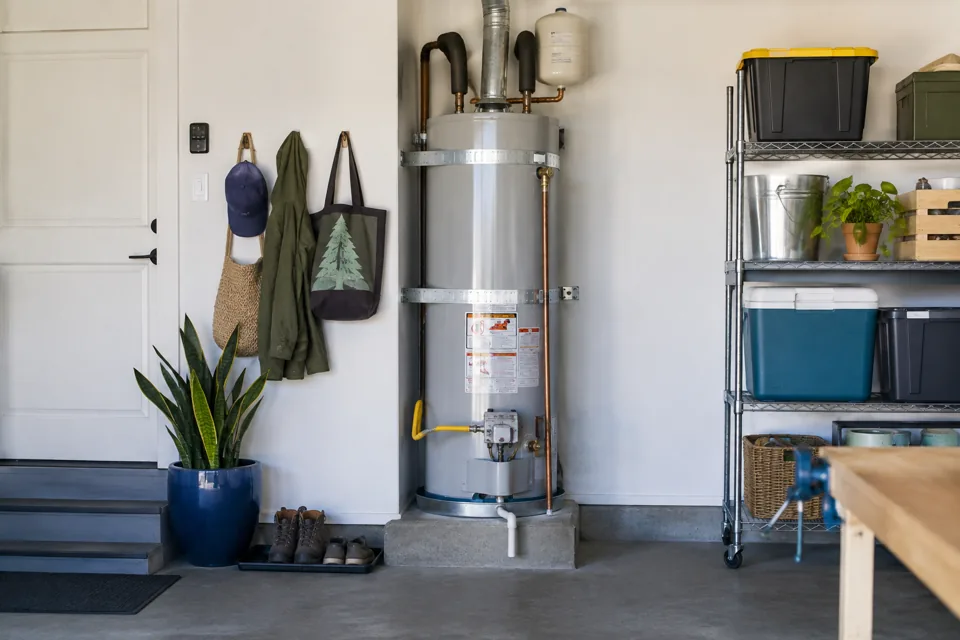
Gather the right records, notice changes and plan professional maintenance for your specific equipment.
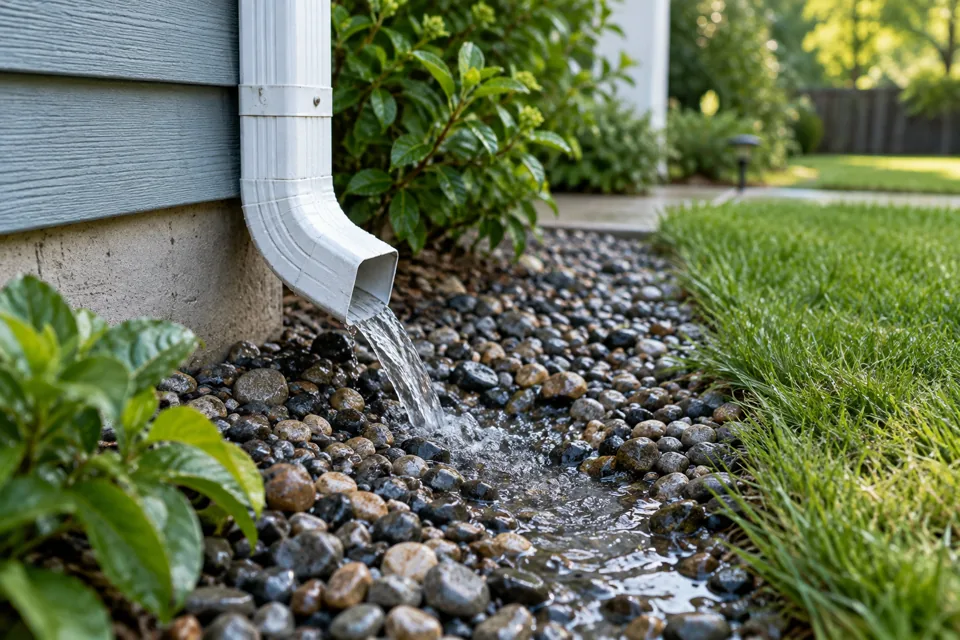
A clean gutter is only part of the picture. Look at downspouts, drainage and safe access too.

A clear scope, license checks and a payment plan make estimates easier to evaluate.

Start room by room and create a usable record of belongings before a loss.

Review access, supervision and emergency preparation alongside ordinary pool maintenance.

Choose a comfortable room, plan filtration and keep evacuation and heat safety in view.

Check coverage, testing instructions and emergency responses before an alarm becomes confusing.

Plan comfort, outdoor work and an alternative place to cool down before a heat event.
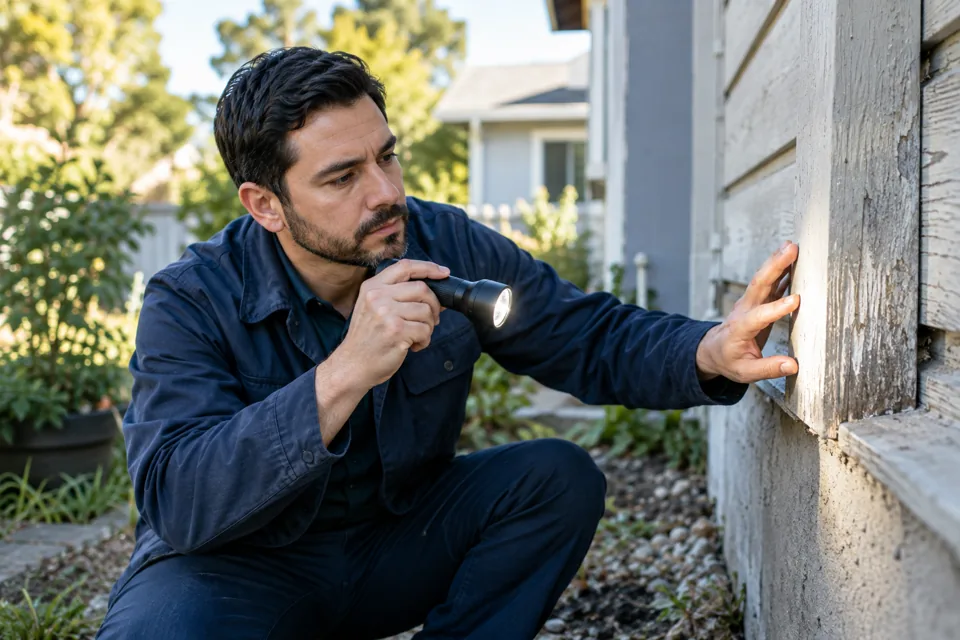
Separate identification, treatment and wood repair so you understand the proposed work.
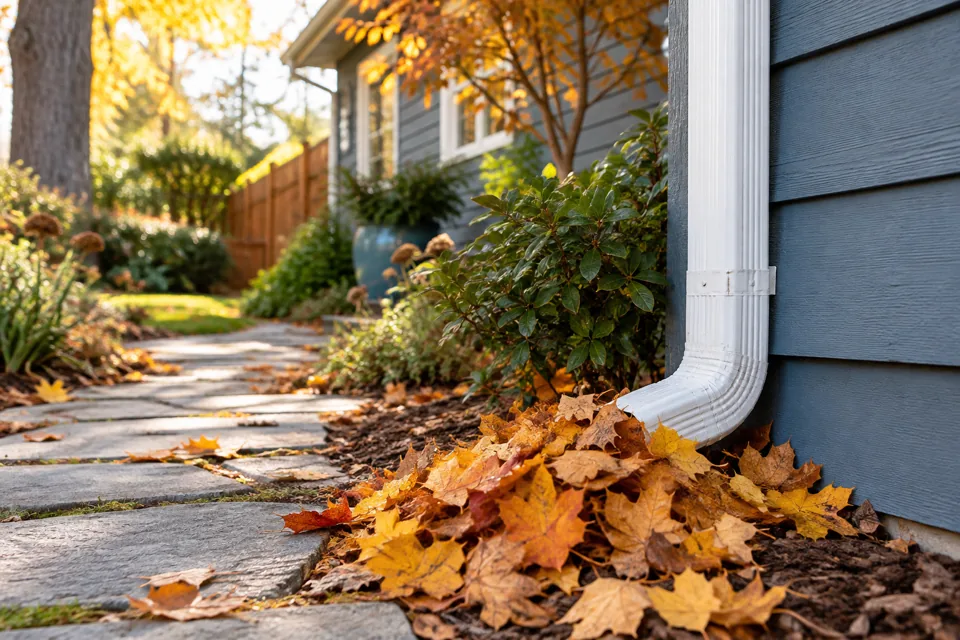
Use the transition toward wetter weather to organize drainage, heating and outstanding maintenance.
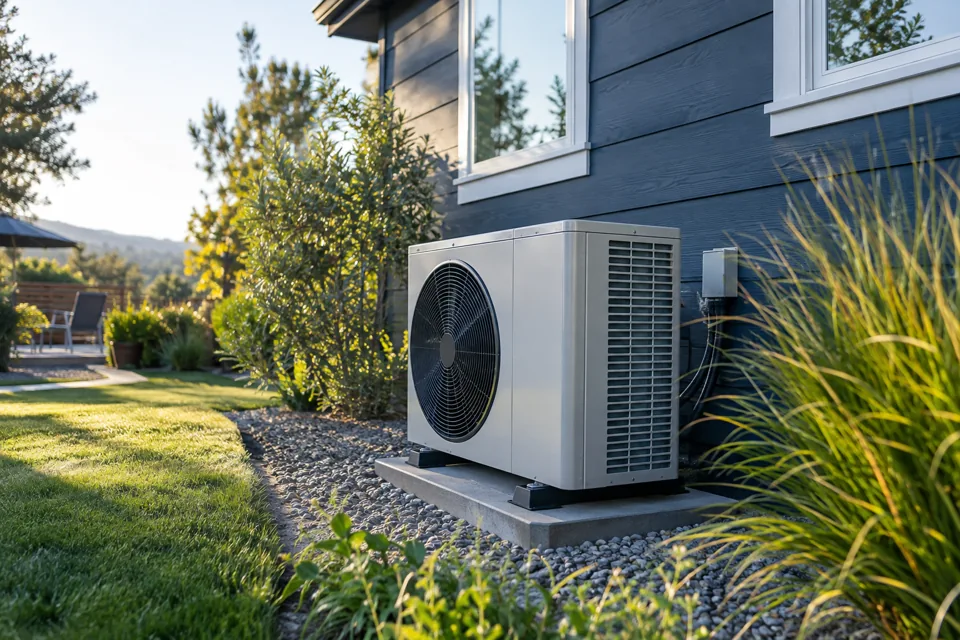
Compare comfort, installation work and operating assumptions before replacing heating and cooling equipment.
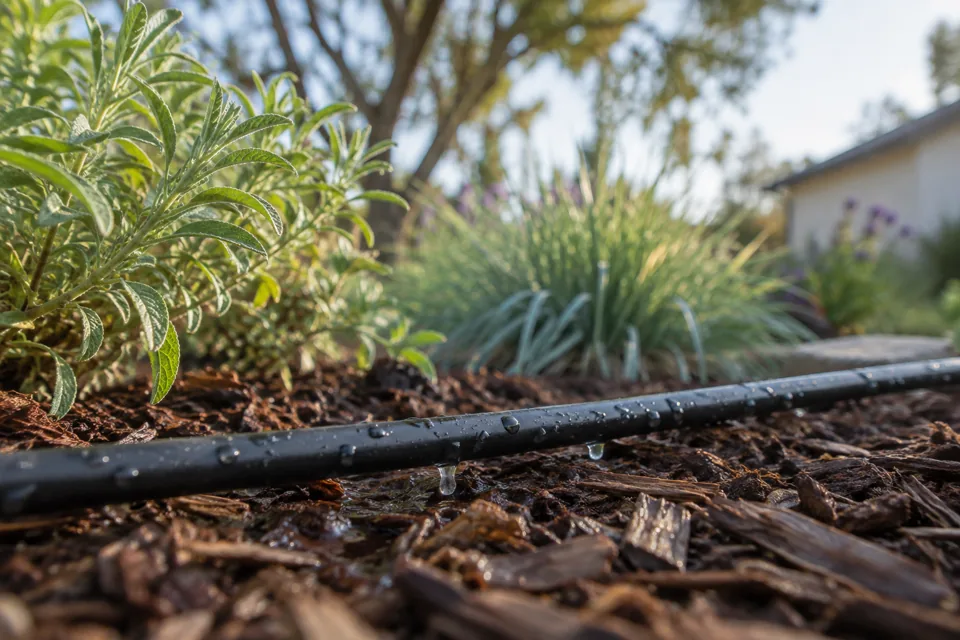
Find misdirected spray, damaged heads and schedule problems without guessing at watering needs.

Spot changes, document concerns and ask a roofer better questions while keeping your feet on the ground.

Build a practical plan for the structure, surrounding property and the people who live there.

Prepare for your address and elevation rather than assuming every Placer County home faces the same conditions.

Get oriented, organize records and separate urgent needs from projects that can wait.

Use the renewal to review the home, limits, exclusions and changes in your household.

Review cooling, irrigation and the changes winter left behind, then prioritize the work.
A practical Placer County home maintenance plan for heat, rain, wildfire readiness and changing seasons.
Compare pool service, understand equipment and water care, and build a safer routine for your Placer County backyard.
Smoke and carbon monoxide alarms, escape plans, wildfire preparation and professional safety-system questions.
Roof leaks, tile and shingle repair, gutters, replacement scopes and questions to ask before signing.
Plan landscape care, irrigation, drainage and planting with practical guidance for Placer County yards.
Heating, cooling, heat pumps, airflow, maintenance and replacement decisions for Placer County homeowners.
A practical guide to choosing a home-service provider, comparing estimates and managing a repair or improvement.
Prepare for homeowners insurance shopping, renewal, property changes and a clear conversation with a licensed agent.
Leaks, drains, water heaters, water quality and plumbing project questions for homeowners.
Pest identification, prevention, treatment choices and service-plan questions for Placer County homes.
Solar panels, batteries, utility bills, roof readiness and a clearer way to compare proposals.
A practical first-year homeowner plan for safety, maintenance, records, inspections and choosing what to do first.

A practical seasonal walkthrough for Placer County homeowners, from summer heat to winter rain.
A new mortgage servicer means new payment instructions, not a new loan. Use this checklist to protect your payment, escrow and records during the handoff.
Understand the 2% rule, temporary value reductions, tax-bill charges and the steps to take when your county assessment looks too high.

Received a California supplemental property tax refund after buying a home? Learn why it may happen, what to verify and why the money may still be needed.

Homeowners insurance helps protect your home and belongings against covered losses. In California, start checking insurance availability and cost early in a home purchase, and review coverage before renewal. A mortgage preapproval is not confirmation that a particular property can be insured. Compare coverage, exclusions, deductibles and the total cost, then have your lender review the proposed policy.

The California FAIR Plan is limited property coverage and is not equivalent to a traditional homeowners policy. A separate Difference in Conditions policy, often called DIC, may address gaps such as liability, theft and certain water damage. Actual coverage depends on both policies. Have a licensed insurance professional explain the gaps and have your lender review the complete proposed coverage.

Read the notice and identify the policy expiration date, the stated reason and the insurer's contact details. Contact your insurance professional promptly and start shopping for replacement coverage. Keep your mortgage servicer informed. Ask the California Department of Insurance about notice requirements or protections that may apply to your address; do not assume a nonrenewal notice ends coverage immediately or that an exception automatically applies.
Your new payment may include both a higher amount for future insurance bills and repayment of an existing escrow shortage. Those are separate items. A fixed mortgage interest rate does not freeze taxes or insurance costs. Review the servicer's escrow analysis, compare its insurance figure with the actual renewal premium and ask it to explain the shortage calculation and repayment schedule.
Start room by room and create a usable record of belongings before a loss.
Use the renewal to review the home, limits, exclusions and changes in your household.
Make exits, meeting places and household responsibilities clear before an emergency.
Use a short observation routine to spot possible leaks and prepare a useful service request.
Plan around essential loads, outage expectations and installation details before comparing battery packages.
Know what gets tested, what is included and which responsibilities remain between visits.
Know your filter, notice changes early, and make the next service visit more useful.
Match plants, tasks and service expectations to the way you use your outdoor space.
Understand ownership, payment changes, roof work and resale responsibilities before committing.
Use a documented assessment to understand pruning, health concerns and removal recommendations.
A practical way to describe a pest problem, reduce attractants and evaluate service recommendations.
Use production records and manufacturer guidance to decide what maintenance is worth investigating.
Keep the homeowner role to observation, safe use and arranging qualified electrical help.
Make a household water plan with clear labels, safe access and the right emergency contacts.
Gather the right records, notice changes and plan professional maintenance for your specific equipment.
A clean gutter is only part of the picture. Look at downspouts, drainage and safe access too.
A clear scope, license checks and a payment plan make estimates easier to evaluate.
Review access, supervision and emergency preparation alongside ordinary pool maintenance.
Choose a comfortable room, plan filtration and keep evacuation and heat safety in view.
Check coverage, testing instructions and emergency responses before an alarm becomes confusing.
Plan comfort, outdoor work and an alternative place to cool down before a heat event.
Separate identification, treatment and wood repair so you understand the proposed work.
Use the transition toward wetter weather to organize drainage, heating and outstanding maintenance.
Compare comfort, installation work and operating assumptions before replacing heating and cooling equipment.
Find misdirected spray, damaged heads and schedule problems without guessing at watering needs.
Spot changes, document concerns and ask a roofer better questions while keeping your feet on the ground.
Build a practical plan for the structure, surrounding property and the people who live there.
Prepare for your address and elevation rather than assuming every Placer County home faces the same conditions.
Get oriented, organize records and separate urgent needs from projects that can wait.
Review cooling, irrigation and the changes winter left behind, then prioritize the work.
A practical Placer County home maintenance plan for heat, rain, wildfire readiness and changing seasons.
Compare pool service, understand equipment and water care, and build a safer routine for your Placer County backyard.
Smoke and carbon monoxide alarms, escape plans, wildfire preparation and professional safety-system questions.
Roof leaks, tile and shingle repair, gutters, replacement scopes and questions to ask before signing.
Plan landscape care, irrigation, drainage and planting with practical guidance for Placer County yards.
Heating, cooling, heat pumps, airflow, maintenance and replacement decisions for Placer County homeowners.
A practical guide to choosing a home-service provider, comparing estimates and managing a repair or improvement.
Leaks, drains, water heaters, water quality and plumbing project questions for homeowners.
Pest identification, prevention, treatment choices and service-plan questions for Placer County homes.
Solar panels, batteries, utility bills, roof readiness and a clearer way to compare proposals.
A practical first-year homeowner plan for safety, maintenance, records, inspections and choosing what to do first.
A practical seasonal walkthrough for Placer County homeowners, from summer heat to winter rain.
Know your filter, notice changes early, and make the next service visit more useful.
Compare comfort, installation work and operating assumptions before replacing heating and cooling equipment.
Heating, cooling, heat pumps, airflow, maintenance and replacement decisions for Placer County homeowners.
A clean gutter is only part of the picture. Look at downspouts, drainage and safe access too.
Spot changes, document concerns and ask a roofer better questions while keeping your feet on the ground.
Roof leaks, tile and shingle repair, gutters, replacement scopes and questions to ask before signing.
Plan around essential loads, outage expectations and installation details before comparing battery packages.
Understand ownership, payment changes, roof work and resale responsibilities before committing.
Use production records and manufacturer guidance to decide what maintenance is worth investigating.
Solar panels, batteries, utility bills, roof readiness and a clearer way to compare proposals.
Use a short observation routine to spot possible leaks and prepare a useful service request.
Make a household water plan with clear labels, safe access and the right emergency contacts.
Gather the right records, notice changes and plan professional maintenance for your specific equipment.
Leaks, drains, water heaters, water quality and plumbing project questions for homeowners.
Make exits, meeting places and household responsibilities clear before an emergency.
Keep the homeowner role to observation, safe use and arranging qualified electrical help.
Choose a comfortable room, plan filtration and keep evacuation and heat safety in view.
Check coverage, testing instructions and emergency responses before an alarm becomes confusing.
Build a practical plan for the structure, surrounding property and the people who live there.
Smoke and carbon monoxide alarms, escape plans, wildfire preparation and professional safety-system questions.
A practical way to describe a pest problem, reduce attractants and evaluate service recommendations.
Separate identification, treatment and wood repair so you understand the proposed work.
Pest identification, prevention, treatment choices and service-plan questions for Placer County homes.
Know what gets tested, what is included and which responsibilities remain between visits.
Review access, supervision and emergency preparation alongside ordinary pool maintenance.
Compare pool service, understand equipment and water care, and build a safer routine for your Placer County backyard.
Match plants, tasks and service expectations to the way you use your outdoor space.
Use a documented assessment to understand pruning, health concerns and removal recommendations.
Find misdirected spray, damaged heads and schedule problems without guessing at watering needs.
Plan landscape care, irrigation, drainage and planting with practical guidance for Placer County yards.
Plan comfort, outdoor work and an alternative place to cool down before a heat event.
Use the transition toward wetter weather to organize drainage, heating and outstanding maintenance.
Prepare for your address and elevation rather than assuming every Placer County home faces the same conditions.
Review cooling, irrigation and the changes winter left behind, then prioritize the work.
A practical Placer County home maintenance plan for heat, rain, wildfire readiness and changing seasons.
A practical seasonal walkthrough for Placer County homeowners, from summer heat to winter rain.
Start room by room and create a usable record of belongings before a loss.
Use the renewal to review the home, limits, exclusions and changes in your household.
Prepare for homeowners insurance shopping, renewal, property changes and a clear conversation with a licensed agent.
A clear scope, license checks and a payment plan make estimates easier to evaluate.
Get oriented, organize records and separate urgent needs from projects that can wait.
Homeowners insurance helps protect your home and belongings against covered losses. In California, start checking insurance availability and cost early in a home purchase, and review coverage before renewal. A mortgage preapproval is not confirmation that a particular property can be insured. Compare coverage, exclusions, deductibles and the total cost, then have your lender review the proposed policy.
The California FAIR Plan is limited property coverage and is not equivalent to a traditional homeowners policy. A separate Difference in Conditions policy, often called DIC, may address gaps such as liability, theft and certain water damage. Actual coverage depends on both policies. Have a licensed insurance professional explain the gaps and have your lender review the complete proposed coverage.
Read the notice and identify the policy expiration date, the stated reason and the insurer's contact details. Contact your insurance professional promptly and start shopping for replacement coverage. Keep your mortgage servicer informed. Ask the California Department of Insurance about notice requirements or protections that may apply to your address; do not assume a nonrenewal notice ends coverage immediately or that an exception automatically applies.
Your new payment may include both a higher amount for future insurance bills and repayment of an existing escrow shortage. Those are separate items. A fixed mortgage interest rate does not freeze taxes or insurance costs. Review the servicer's escrow analysis, compare its insurance figure with the actual renewal premium and ask it to explain the shortage calculation and repayment schedule.
Start room by room and create a usable record of belongings before a loss.
Use the renewal to review the home, limits, exclusions and changes in your household.
Prepare for homeowners insurance shopping, renewal, property changes and a clear conversation with a licensed agent.
A new mortgage servicer means new payment instructions, not a new loan. Use this checklist to protect your payment, escrow and records during the handoff.
Understand the 2% rule, temporary value reductions, tax-bill charges and the steps to take when your county assessment looks too high.
Received a California supplemental property tax refund after buying a home? Learn why it may happen, what to verify and why the money may still be needed.