
Homebuying
The builder’s rate is not the house price. Compare the whole deal.
Builder incentives are widespread. Learn how to compare a temporary or permanent buydown with a price cut, seller credit and outside lender offer.
BEFORE YOU MAKE AN OFFER
Builder incentives are widespread. Learn how to compare a temporary or permanent buydown with a price cut, seller credit and outside lender offer.
Neither new construction nor resale is always better. Compare layout, timing, recurring costs, condition and financing before choosing a California home.
Business funds may be eligible. Before moving money, review ownership, the effect on your business and the records your lender needs.

Manual review and down payment assistance are separate approvals. Compare repayment, forgiveness, monthly cost and future refinance consequences.
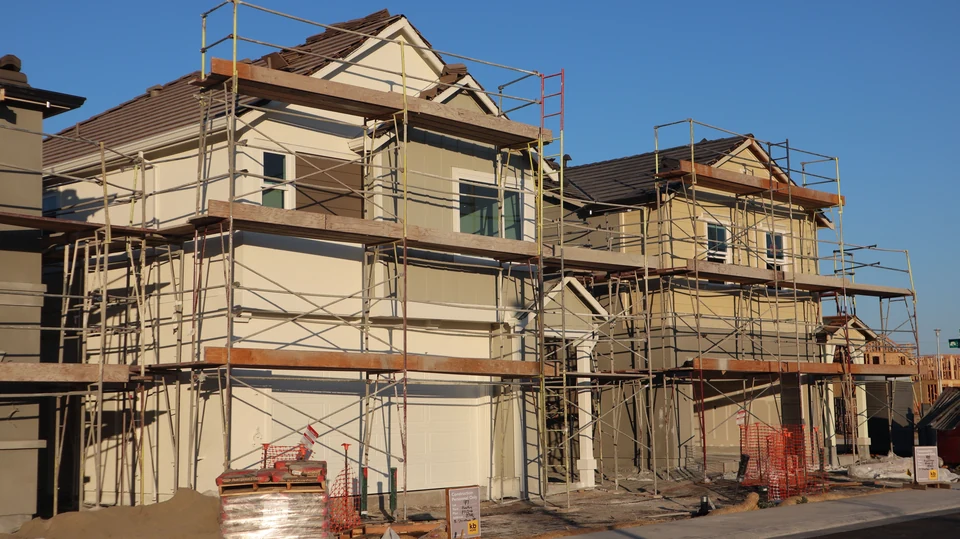
A sharp rally in builder shares can arrive before stronger home sales. Here is how to separate market expectations from evidence at the sales office.
Rising sale prices do not erase buyer leverage. Learn how comparable sales, competing listings, market time and condition can support your offer.
Understand pocket listings, off-market homes and MetroList’s On Market Date, with a buyer script and a practical repair-budget example.
A Refer result is a request for closer review. Learn a California FHA manual-underwriting path, see a debt-to-income example, and understand assistance repayment.
Compare a $15,000 price cut with a seller credit, check Roseville-area listing history and sales, and budget for repairs before making an offer.
See a 2-1 buydown payment example, Fannie Mae seller-contribution limits, and how to divide a seller credit between payment relief and closing costs.

Careful saving, a patient search and a payment that fit helped Yasandra find her first home in Roseville.

A late credit request can squeeze both closings. See how negotiating on the sale and the purchase helped one homeowner, plus the tradeoffs of putting less down or using lender credits.

A practical way to compare FHA, VA and conventional financing, including the money needed beyond your down payment.

Compare a lower price, closing-cost help, temporary payment relief and rate options around the cash you need and the payment you can sustain.

Tell your lender and real estate agent promptly. A quote, an application for insurance and bound coverage are different steps. Your lender must confirm acceptable coverage for the loan, and unresolved insurance can delay or prevent closing. Search with a licensed insurance professional, identify outstanding conditions and coordinate the purchase-contract deadlines before relying on a closing date.

Possibly. A higher insurance premium increases the housing expense used in mortgage qualification, even if you pay the premium directly instead of through escrow. Your lender needs the updated quote and must recalculate your file. The result depends on income, other debts, loan program and underwriting. An earlier preapproval is not a promise that a higher payment will qualify.
Builder incentives are widespread. Learn how to compare a temporary or permanent buydown with a price cut, seller credit and outside lender offer.
Neither new construction nor resale is always better. Compare layout, timing, recurring costs, condition and financing before choosing a California home.
Business funds may be eligible. Before moving money, review ownership, the effect on your business and the records your lender needs.
Manual review and down payment assistance are separate approvals. Compare repayment, forgiveness, monthly cost and future refinance consequences.
A sharp rally in builder shares can arrive before stronger home sales. Here is how to separate market expectations from evidence at the sales office.
Rising sale prices do not erase buyer leverage. Learn how comparable sales, competing listings, market time and condition can support your offer.
Understand pocket listings, off-market homes and MetroList’s On Market Date, with a buyer script and a practical repair-budget example.
A Refer result is a request for closer review. Learn a California FHA manual-underwriting path, see a debt-to-income example, and understand assistance repayment.
Compare a $15,000 price cut with a seller credit, check Roseville-area listing history and sales, and budget for repairs before making an offer.
See a 2-1 buydown payment example, Fannie Mae seller-contribution limits, and how to divide a seller credit between payment relief and closing costs.
Careful saving, a patient search and a payment that fit helped Yasandra find her first home in Roseville.
A late credit request can squeeze both closings. See how negotiating on the sale and the purchase helped one homeowner, plus the tradeoffs of putting less down or using lender credits.
A practical way to compare FHA, VA and conventional financing, including the money needed beyond your down payment.
Compare a lower price, closing-cost help, temporary payment relief and rate options around the cash you need and the payment you can sustain.
Tell your lender and real estate agent promptly. A quote, an application for insurance and bound coverage are different steps. Your lender must confirm acceptable coverage for the loan, and unresolved insurance can delay or prevent closing. Search with a licensed insurance professional, identify outstanding conditions and coordinate the purchase-contract deadlines before relying on a closing date.
Possibly. A higher insurance premium increases the housing expense used in mortgage qualification, even if you pay the premium directly instead of through escrow. Your lender needs the updated quote and must recalculate your file. The result depends on income, other debts, loan program and underwriting. An earlier preapproval is not a promise that a higher payment will qualify.

Neither new construction nor resale is always better. Compare layout, timing, recurring costs, condition and financing before choosing a California home.

Understand pocket listings, off-market homes and MetroList’s On Market Date, with a buyer script and a practical repair-budget example.
Careful saving, a patient search and a payment that fit helped Yasandra find her first home in Roseville.

Keep your payment budget, loan comparison and closing timeline clear when mortgage pricing changes.

For Steven and Miranda, a three-bedroom home in Lincoln is the beginning of something they have wanted for years.

Buying your first home in California? Nick Cunningham explains affordability, down payments, loan options, assistance, and every step in plain English.

Learn what first-time homebuyers may need for a down payment, closing costs, prepaid expenses, and reserves, plus ways funds may be sourced.

Learn how California down payment assistance can work, what eligibility and repayment rules to check, and how Nick helps compare the full loan structure.

Compare conventional, FHA, VA, USDA, and assistance-linked home loan paths in plain English. See the trade-offs that matter before you choose.

See the first-time homebuying process from budget and preapproval through offers, underwriting, final review, signing, and closing.

Learn how income, debts, credit, taxes, insurance, HOA dues, and your own comfort zone shape an affordable first-home payment in California.

Clear answers to first-time homebuyer questions about credit, down payments, preapproval, assistance, monthly payments, offers, and closing.

A practical buyer-financing handoff for California real estate agents: goals, payment comfort, cash-to-close, review stages, documents, and property questions.

Pre-offer mortgage support for California real estate agents: property fit, price, credits, appraisal, timing, lender calls, and financing assumptions.

Use better financing questions before a buyer reaches the offer stage.

Plan beyond the down payment before you start shopping.
A practical first-home workbook for planning your payment, comparing homes and getting ready to close.

Business funds may be eligible. Before moving money, review ownership, the effect on your business and the records your lender needs.
Manual review and down payment assistance are separate approvals. Compare repayment, forgiveness, monthly cost and future refinance consequences.

A Refer result is a request for closer review. Learn a California FHA manual-underwriting path, see a debt-to-income example, and understand assistance repayment.

Compare the changed lines, ask why they moved, and follow any correction through to cash to close.

Compare the larger loan, lower rate, mortgage insurance and cash left after closing as complete choices.

A Roseville buyer with $120,000 income and a 680 credit score compares duplex rent, FHA and conventional down payments, and occupancy requirements.

Turn points and seller credits into dollars to see what the buyer still needs to bring to closing.
Learn what first-time homebuyers may need for a down payment, closing costs, prepaid expenses, and reserves, plus ways funds may be sourced.
Learn how California down payment assistance can work, what eligibility and repayment rules to check, and how Nick helps compare the full loan structure.
Business funds may be eligible. Before moving money, review ownership, the effect on your business and the records your lender needs.

Understand a high CU score, secondary valuations, CDA reviews and broker price opinions, plus what a lower value could mean for your home equity loan.

Compare conventional and FHA appraisal requirements and learn what to ask if your loan program changes after an appraisal is completed.
A Roseville buyer with $120,000 income and a 680 credit score compares duplex rent, FHA and conventional down payments, and occupancy requirements.

Check the documentation rules and the actual business income before choosing between one year and a two-year average.
Manual review and down payment assistance are separate approvals. Compare repayment, forgiveness, monthly cost and future refinance consequences.
A Refer result is a request for closer review. Learn a California FHA manual-underwriting path, see a debt-to-income example, and understand assistance repayment.
Compare conventional and FHA appraisal requirements and learn what to ask if your loan program changes after an appraisal is completed.

FHA confirmed its intention to enable additional eligible credit scoring models alongside Classic FICO.

HUD Mortgagee Letter 2026-06 updates an operational feature of the Limited 203(k) rehabilitation program.

HUD opened a request for information about updating long standing single family minimum property requirements.

A sourced guide to recurring questions about VA-backed purchase offers.

Organize the questions that matter before a VA-backed offer is written.

Understand VA home loan benefits, eligibility, costs, buying, and refinancing. Get straight answers from Nick Cunningham, NMLS #907393.

Understand what a VA appraisal does, how it differs from a home inspection, what happens with low value or repairs, and which homes may be eligible.

See how buying a home with a VA-backed loan works, from COE and budget planning through the offer, appraisal, underwriting, and closing.

Learn who may qualify for a VA home loan, what a Certificate of Eligibility shows, and how to request a COE without confusing it with loan approval.

Understand full and remaining VA entitlement, using the VA benefit again, restoration, and when county loan limits still matter.

See how the VA funding fee works, who may be exempt, current fee percentages, what can be financed, and which closing costs may still apply.

Find official paths for the Native American Direct Loan, VA adapted housing grants, and VA help when mortgage payments become difficult.

Learn which surviving spouses may have a VA home loan eligibility path, how the COE process works, and what the lender still needs to review.

A VA-backed loan can offer valuable homebuying features for eligible borrowers. Start by understanding your eligibility and the full cost.

How to prepare assets, income, reserves, ownership interests and property context for a larger loan review.

Strong savings may support a mortgage when commissions fall, but the lender still reviews your assets, obligations, loan terms and sustainable payment.

Learn when depreciation may be added back for a self-employed mortgage borrower and why tax returns, business type and loan rules still matter.

Separate real business income from transfers and borrowed money before comparing a bank-statement loan.
Check the documentation rules and the actual business income before choosing between one year and a two-year average.

A documentation framework for business owners, independent professionals and investors.
Self-employed, investing in a rental, or earning income in more than one way? Explore mortgage options that look at the details of your financial life.
A bank statement mortgage may help a self-employed borrower qualify using eligible deposits instead of relying on tax-return income alone.

Work backward from when the purchase needs the money, then connect the sale, transfer and funding steps.

A printable worksheet for planning the sale of a current home and the next purchase as one decision.
Your next home may be ready before your current home sells. Explore a bridge loan of up to $500,000 that uses equity in your departing primary residence to help fund your next purchase.

A backyard unit’s advertised rent does not count dollar for dollar. Learn what the lender must verify before using ADU income for your mortgage.

A rental can cover the lender's housing payment and still leave an ownership budget short. Here is the math.
A Roseville buyer with $120,000 income and a 680 credit score compares duplex rent, FHA and conventional down payments, and occupancy requirements.
Explore financing that evaluates an investment property’s rental income against its housing payment. We’ll help you look beyond qualification to the cash flow and reserves that matter to you.
A rental property is more than a purchase price. Bring the property, the numbers, and your long-term goals into one conversation.
Eligible medical professionals may qualify for up to 100% financing with no mortgage insurance and loan amounts up to $2 million. Let’s look at your credentials, income, and plans together.
Understand a high CU score, secondary valuations, CDA reviews and broker price opinions, plus what a lower value could mean for your home equity loan.
Tell your lender and real estate agent promptly. A quote, an application for insurance and bound coverage are different steps. Your lender must confirm acceptable coverage for the loan, and unresolved insurance can delay or prevent closing. Search with a licensed insurance professional, identify outstanding conditions and coordinate the purchase-contract deadlines before relying on a closing date.

Put the appraisal's status beside the contract deadline, with your agent involved before time runs out.

Compare the cost of the repair, the cost of waiting and the cost of changing loans before taking a shortcut.
Compare the changed lines, ask why they moved, and follow any correction through to cash to close.
Compare conventional and FHA appraisal requirements and learn what to ask if your loan program changes after an appraisal is completed.

An earlier date can mean another signing and more costs. Here is how we weighed that choice in one transaction.
Pre-offer mortgage support for California real estate agents: property fit, price, credits, appraisal, timing, lender calls, and financing assumptions.
Use better financing questions before a buyer reaches the offer stage.
Understand what a VA appraisal does, how it differs from a home inspection, what happens with low value or repairs, and which homes may be eligible.