Jump to a section
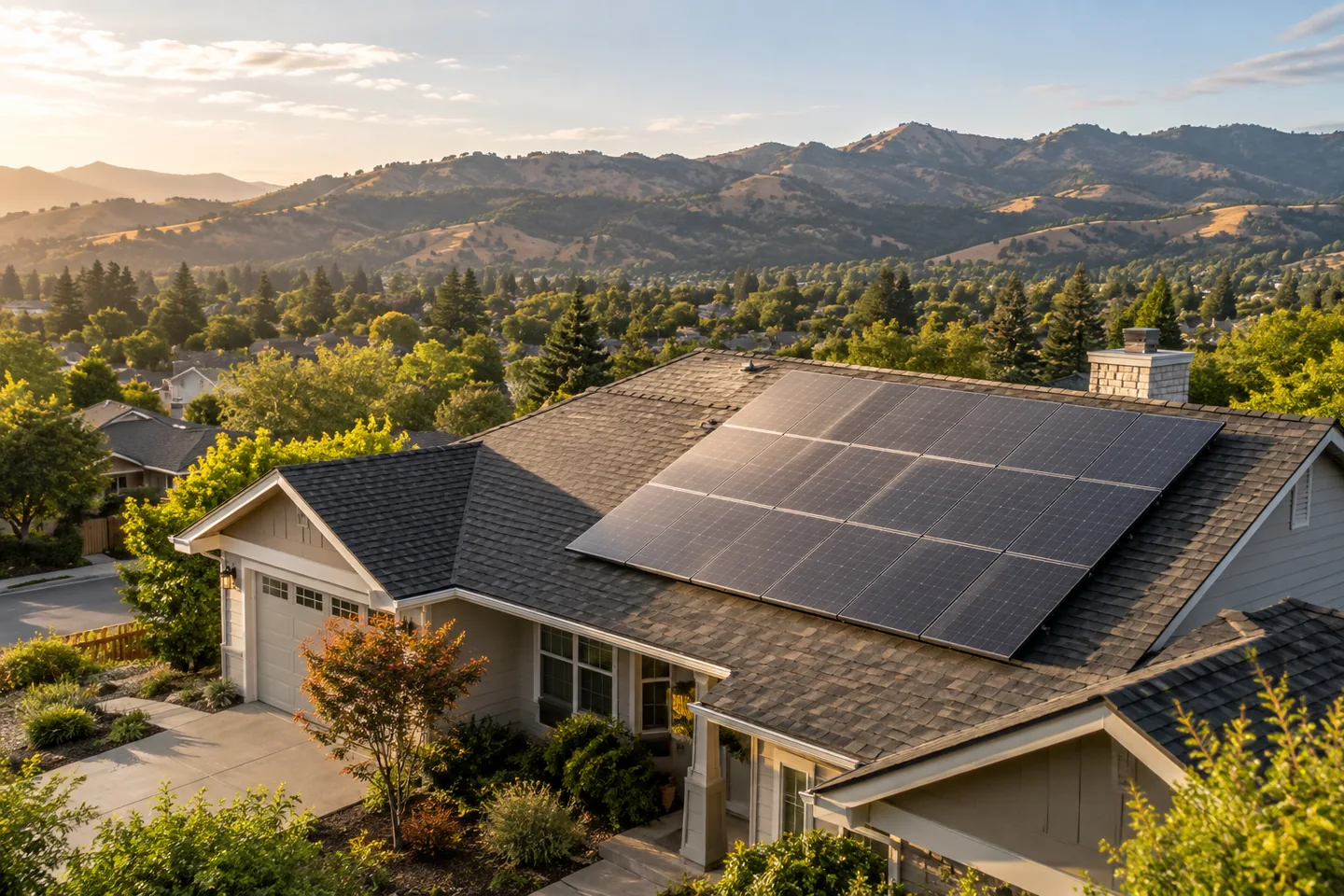
After a family told us about a solar power agreement, I asked what the lender needed. The processor requested the agreement itself.
That was the right place to start.
“The house has solar” does not tell us what the homeowner owes or what the contract requires.
Find out what kind of arrangement you have
Are the panels owned outright? Financed? Leased? Is there a power purchase agreement?
There may also be financing or an assessment recorded against the property. Those details can affect the payment, title review and appraisal.
A monthly bill or a photo of the panels will not answer all of that.
Let the lender and title team read the agreement
Ask whether the terms create anything that needs to be resolved before closing.
Depending on the arrangement, that could involve payoff information, transfer terms, consent or other paperwork.
For a reverse mortgage, the applicable FHA and lender requirements need their own review. A rule used on a conventional loan does not settle the HECM question.
Get ahead of it
If you are buying, ask for the seller's solar documents early. If you are refinancing, do not assume the new lender will accept everything the previous lender accepted.
- Get the complete agreement.
- Identify any related payment or recorded obligation.
- Ask what the new loan requires.
- Assign someone to obtain any missing documents.
- Keep the ongoing solar cost in the household budget.
I would rather read the agreement now than discover a transfer or title issue when everyone expects to close.
This example is based on a real mortgage discussion with identifying information removed. Any numbers are illustrative and are not current loan terms or a commitment to lend. Loan programs, rates, property values and borrower qualification vary.
Sources and further reading
Keep exploring


Related questions
Stay ahead of the next move
Choose the updates worth opening.
Get the Morning Market note on rates and markets, the housing update, or both. You choose what lands in your inbox.
Know What We Know